Moody's Warns: Two-Thirds of US Economy in Recession or Stagnating

The economic landscape in America is shifting dramatically, and the latest analysis from one of the nation's most respected economic forecasting firms paints a troubling picture that every American should understand.
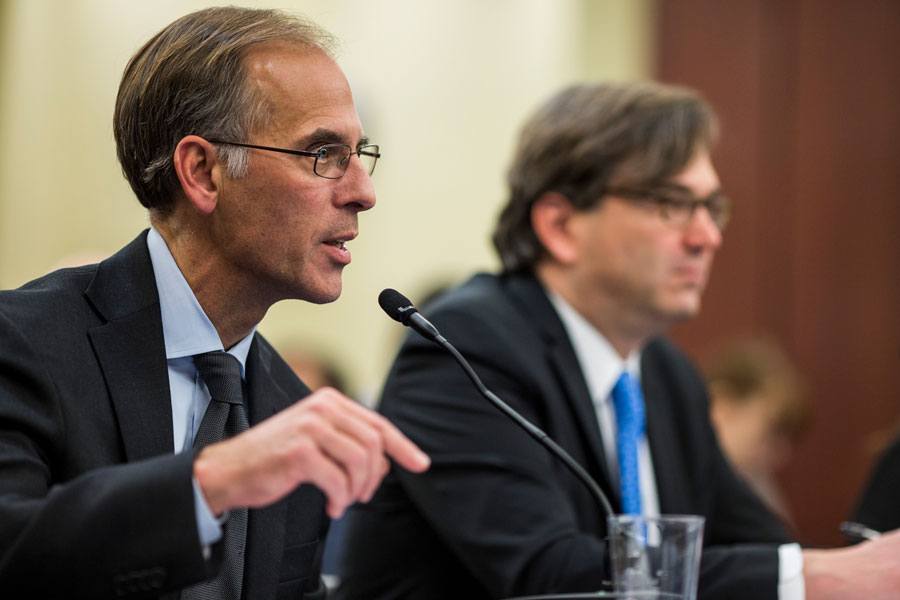
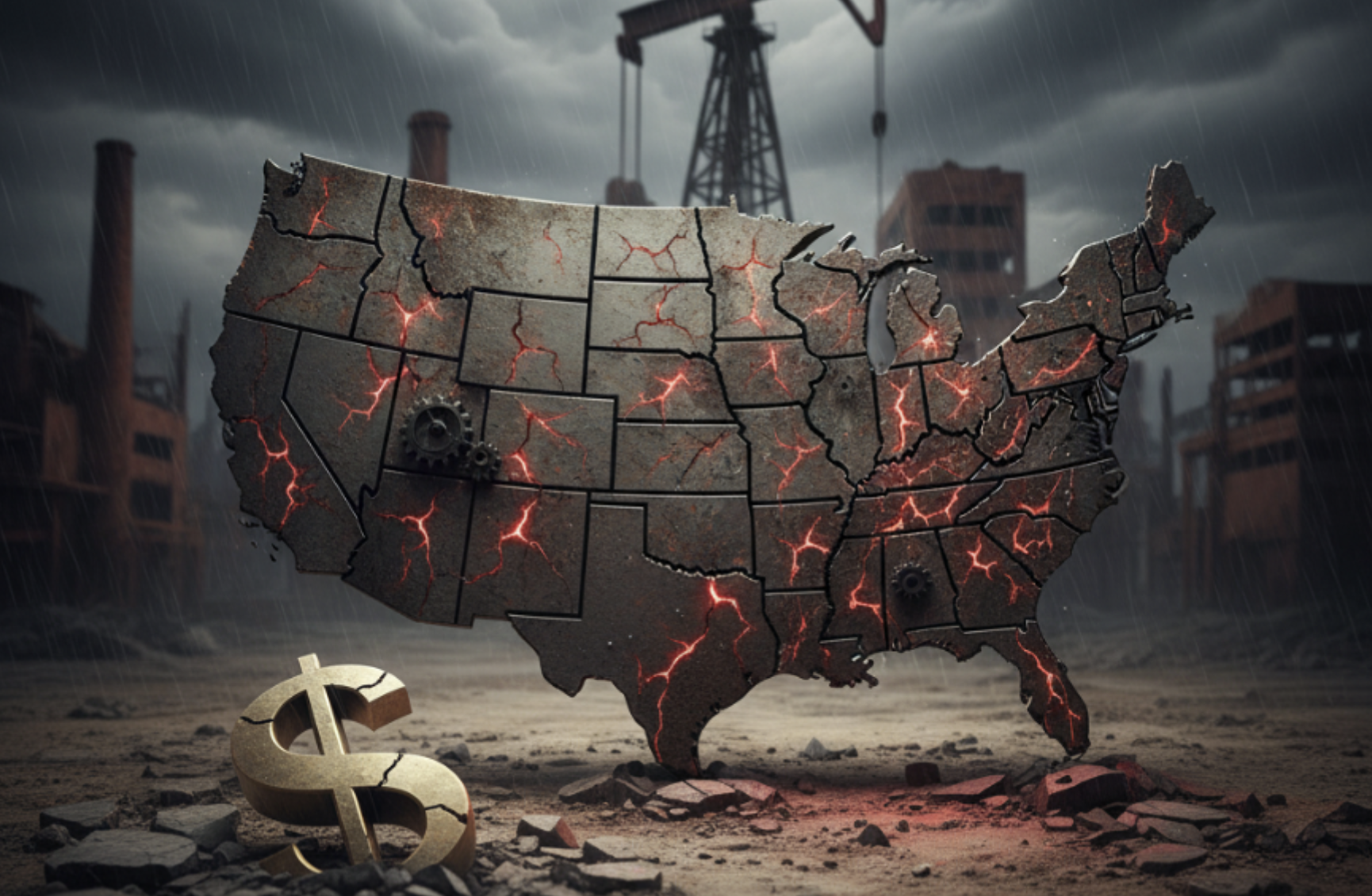
Mark Zandi, chief economist at Moody's Analytics, has delivered a sobering assessment that cuts through the noise of political rhetoric and market optimism. According to his comprehensive state-by-state analysis, U.S. states representing nearly one-third of America's entire economic output are either already experiencing recession conditions or teetering dangerously close to the edge.
Perhaps even more concerning, another third of the national economy is essentially treading water, showing no meaningful growth whatsoever. This means that two-thirds of the United States economy is either in recession or completely stagnant right now.
The Numbers Behind the Warning
This isn't speculation from a fringe economist making headlines with bold predictions. Moody's Analytics serves as a trusted advisor to major corporations, government agencies, and financial institutions worldwide. Their machine-learning-based recession indicator currently shows a 49% probability of a full-blown recession occurring within the next twelve months.
To put this in perspective, a coin flip offers better odds than our current economic stability.
The breadth of economic weakness spans from coast to coast. Government job cuts are hammering the Washington D.C. metropolitan area, while manufacturing slowdowns ripple through industrial centers across the Midwest and beyond.
Even economic powerhouses like California and New York, which together account for more than one-fifth of the nation's GDP, are merely "holding their own" in Zandi's assessment.
Employment Data Reveals Hidden Economic Weakness
The employment picture tells an even more alarming story when you dig beneath the surface headlines. July's job creation numbers came in at just 73,000 new positions, falling well short of economist expectations around 100,000.
However, the real shock came when government statisticians revised previous months' employment data. May's initially reported job growth of 144,000 was slashed down to just 19,000 actual new positions. June's numbers suffered an even more dramatic revision, dropping from 147,000 reported jobs to a mere 14,000 in reality.
These revisions reveal a three-month average of only 35,000 new jobs per month in an economy that economists say needs to create at least 150,000 monthly positions just to keep pace with population growth and maintain stable unemployment levels.
Historical Recession Indicators Are Flashing Red
Zandi points to a particularly troubling historical pattern that's emerging in current employment data. More than half of all industries tracked in government employment surveys are already cutting jobs. According to historical analysis, when this threshold gets crossed, the economy is typically either already in recession or about to enter one.
The only major sector still adding meaningful employment is healthcare, which primarily reflects demographic trends rather than productive economic expansion. This narrow job growth concentration suggests that the broader economy is struggling to generate sustainable employment opportunities.
Why Traditional Investment Strategies May Fall Short
When economic weakness becomes this widespread, with two-thirds of the national economy struggling simultaneously, traditional investment diversification strategies begin to break down. The conventional wisdom of spreading investments across different sectors and asset classes assumes that various parts of the economy will perform differently during challenging times.
However, during systemic economic downturns, stocks, bonds, and real estate often move in the same negative direction as interconnected financial markets react to broad-based economic weakness.
The Federal Reserve's Impossible Balancing Act
The Federal Reserve finds itself in an increasingly difficult position, attempting to combat persistent inflation without triggering the very recession that economic indicators suggest may already be underway.
As Zandi warns, the economy faces its greatest vulnerability toward the end of 2025 and early 2026, when the full impact of higher costs and restrictive monetary policies will likely bite deepest into household spending power.
When consumer spending contracts, corporate profits decline, stock valuations fall, this creates a self-reinforcing cycle where economic weakness feeds on itself.
Central Banks Signal Concern Through Gold Accumulation
While individual investors grapple with market uncertainty, central banks worldwide have been sending a clear signal through their actions. These institutions added over 1,000 tons of gold to their official reserves in recent years, representing some of the highest accumulation levels in decades.
Central bank gold purchases aren't emotional decisions driven by market fear. They represent calculated strategic moves by the world's most sophisticated financial institutions, which understand that during periods of extreme economic uncertainty, tangible assets that cannot be printed, manipulated, or devalued by government decree become essential portfolio components.
Understanding Gold's Role During Economic Uncertainty
Throughout more than 5,000 years of recorded history, gold has maintained its purchasing power and served as a store of wealth during every major economic crisis, currency debasement, and financial panic. Unlike paper assets that depend on corporate performance, government promises, or central bank policies, gold's value stems from its intrinsic properties and universal acceptance.
During the current environment of economic weakness, political uncertainty, and mounting fiscal pressures, gold provides portfolio stability that becomes particularly valuable when traditional investments move in lockstep during market downturns.
The Perfect Storm of Economic Challenges
The combination of factors facing the American economy creates what many economists describe as a perfect storm. Widespread state-level economic weakness, employment revisions revealing hidden job market deterioration, and Federal Reserve policy constraints all converge at a time when traditional economic support mechanisms are already stretched thin.
Years of unprecedented monetary expansion have created artificial economic conditions that many analysts believe are unsustainable long-term. As these policies unwind and their effects work through the economic system, the resulting volatility may exceed what conventional investment strategies were designed to handle.
Looking Ahead: Preparing for Economic Reality
The economic warning signs that Moody's Analytics has identified aren't temporary blips or statistical anomalies. They represent fundamental shifts in economic conditions that suggest Americans need to reconsider their approach to wealth preservation and retirement planning.
When leading economists warn that nearly two-thirds of the national economy is either contracting or stagnant, and when employment data reveals hidden weakness beneath headline numbers, the prudent response involves understanding how different asset classes perform during extended periods of economic uncertainty.
The question facing American savers and investors isn't whether economic challenges will continue, but rather how to position their wealth to weather the storm that appears to be intensifying with each passing month.