
BRICS Summit 2025: The De-Dollarization Movement That Keeps Growing
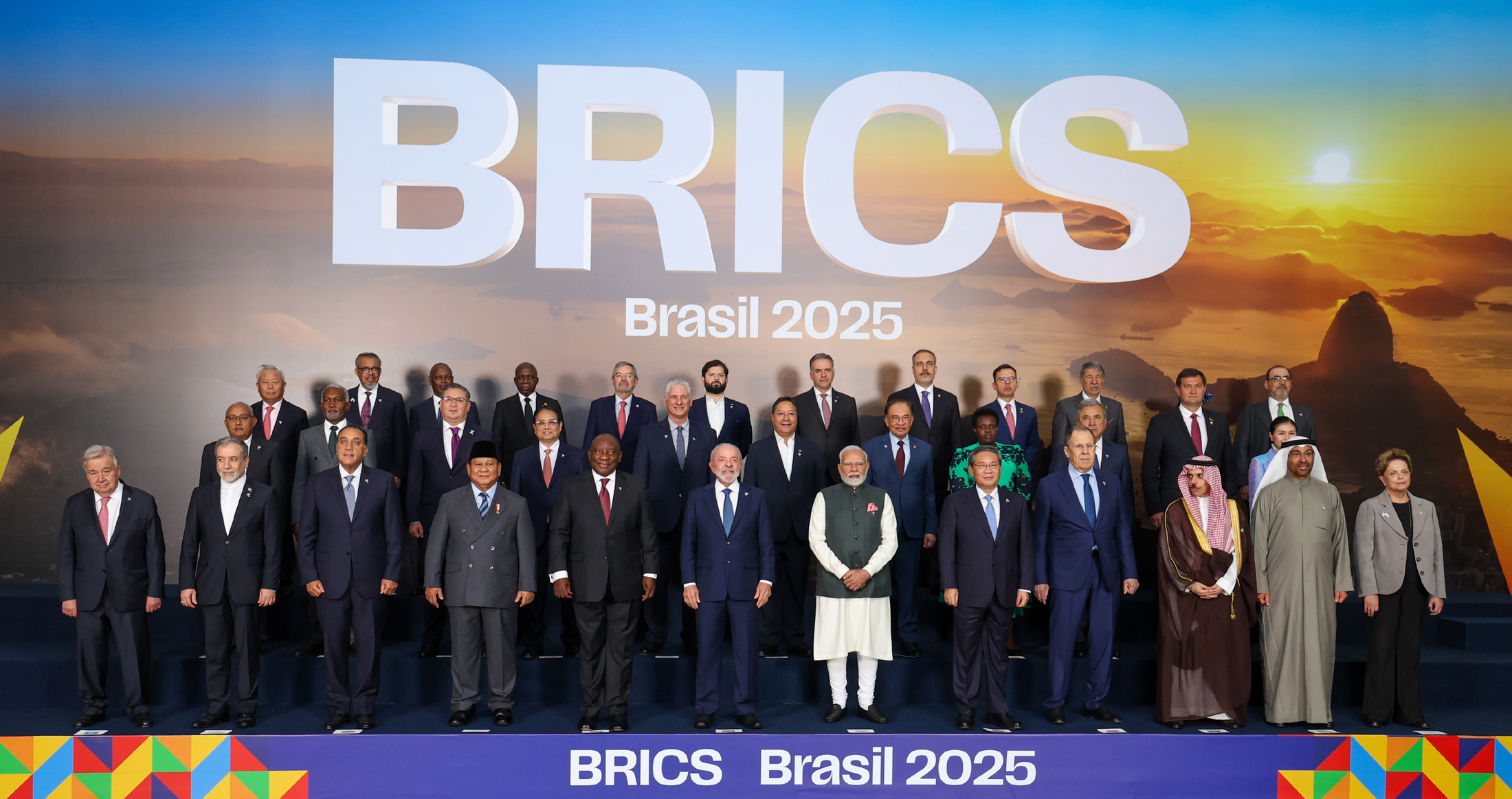
The 17th BRICS summit held in Rio de Janeiro on July 6-7, 2025, has sent shockwaves through global financial markets, though mainstream American media has largely overlooked its significance.
For investors approaching retirement, understanding the implications of this historic gathering could be crucial for protecting long-term wealth.
What Is BRICS and Why Does It Matter for American Investors?
BRICS (originally comprising Brazil, Russia, India, China, and South Africa) has evolved from a simple economic acronym into a formidable alliance challenging Western financial dominance. The bloc has expanded significantly, now including Egypt, Iran, Ethiopia, the United Arab Emirates, and Indonesia, with over 30 additional countries seeking membership.
The numbers speak for themselves:
Over 45% of global GDP (nominal) and over 50% at purchasing power parity.
More than half of the world's population resides in BRICS nations.
Critical control over global energy reserves, industrial capacity, and critical mineral resources.
Dominance of key shipping routes across three continents.
The Rio Declaration: A Coordinated Challenge to Dollar Supremacy
The 17th BRICS summit in Rio produced a historic joint declaration with 126 commitments, but the most significant development for American investors was the bloc's formal commitment to "strengthening Global South cooperation" and developing alternative financial mechanisms.
The summit, held under the theme "Strengthening Global South Cooperation and Promoting a More Inclusive and Sustainable Global Governance," represented more than diplomatic posturing. It was a concrete step toward reducing global dependence on Western-controlled financial systems.
Key Developments from the July 2025 Summit:
- Financial Infrastructure: Renewed commitment to developing payment systems that bypass traditional Western-controlled networks
- Multilateral Approach: Emphasis on increased participation of developing countries in global decision-making processes
- Political Unity: Unprecedented coordination among diverse member nations on international security issues
Understanding De-Dollarization: The End of Dollar Dominance?
Since the 1944 Bretton Woods Agreement, the U.S. dollar has served as the world's primary reserve currency. This status has provided Americans with significant economic advantages, including the ability to finance government spending through international dollar demand.
However, this dominance has always depended on voluntary adoption by other nations. Recent trends suggest this consensus is fracturing:
By 2023, one-fifth of global oil trade occurred in non-dollar currencies.Central banks worldwide have diversified reserves away from dollars.
Alternative payment systems are gaining traction globally.
The Technology Behind BRICS' Alternative Financial System
BRICS isn't merely discussing alternatives, they're actively building them. The bloc continues developing blockchain-based payment infrastructure designed to facilitate cross-border transactions without dollar intermediation.
Key technological components include:
Digital payment networks reducing reliance on SWIFTLocal currency settlement mechanisms
Enhanced cooperation in emerging technologies like artificial intelligence
Historical Context: Currency Transitions and Their Impact
Currency dominance shifts aren't unprecedented. The British pound maintained reserve currency status for over a century before yielding to the dollar post-World War II. These transitions, while gradual, can have profound implications for savers and investors.
The dollar's journey from gold-backed currency (pre-1971) to fiat money demonstrates how monetary systems evolve. Nixon's decision to end gold convertibility created the current system, which is one that BRICS nations increasingly view as outdated and disadvantageous.
Investment Implications: What BRICS Means for Your Portfolio
For American investors, particularly those nearing or in retirement, the BRICS de-dollarization movement presents several considerations:
Potential Risks:
- Currency devaluation reducing purchasing power of dollar-denominated assets
- Inflation pressure from higher import costs
- Market volatility during transition periods
- Interest rate impacts as the Federal Reserve responds to reduced dollar demand
Portfolio Protection Strategies:
- Diversification across currencies and asset classes
- Commodity exposure through precious metals and natural resources
- International investments in non-dollar denominated assets
- Inflation hedges including real estate and commodities
Why Gold Remains Relevant in a Multipolar World
Throughout monetary history, gold has served as the ultimate store of value during currency transitions. BRICS nations' continued interest in gold-backed alternatives isn't coincidental—it reflects gold's enduring role as monetary insurance.
Gold's Advantages During Currency Instability:
Independence from government monetary policiesScarcity preventing arbitrary supply increases
Global acceptance across all cultures and economic systems
Historical performance during periods of monetary uncertainty
Central banks worldwide have been net gold buyers for over a decade, with purchases remaining elevated as geopolitical tensions increase and currency alternatives emerge.
Preparing for a Multi-Polar Financial Future
While the full impact of BRICS de-dollarization efforts may unfold over years or decades, prudent investors should consider positioning portfolios for multiple scenarios.
Key Considerations:
- Diversification beyond dollar-denominated assets
- Precious metals allocation as portfolio insurance
- International exposure to benefit from global growth
- Inflation protection through real assets
The Role of Precious Metals IRAs in Retirement Planning
For retirement investors concerned about currency instability, precious metals IRAs offer a tax-advantaged way to include gold and silver in retirement portfolios.
These accounts allow investors to hold physical precious metals while maintaining the tax benefits of traditional retirement accounts.
Benefits of Precious Metals IRAs:
Tax advantages of traditional IRA structuresPhysical ownership of tangible assets
Portfolio diversification beyond paper assets
Inflation protection through real asset exposure
Conclusion: Navigating an Uncertain Monetary Future
The July 2025 BRICS summit in Rio represents more than diplomatic theater. It signals a fundamental shift in global monetary arrangements. While the dollar's reserve currency status won't disappear overnight, the trend toward de-dollarization appears to be gaining momentum.
For American investors, particularly those focused on retirement security, understanding these developments and positioning portfolios accordingly could prove crucial for long-term wealth preservation.
The question isn't whether change will come, but whether investors will be prepared when it does.


-1.png)