Why Gold Hit $3,700: The Perfect Storm Driving Record Highs
Gold surged past $3,700 per ounce yesterday, hitting yet another all-time high and marking the sixth consecutive week of gains.
For investors watching their retirement savings, this unprecedented rally raises a critical question: why does gold keep going up, and will it continue?
The Perfect Storm Behind Gold's Historic Rally
The answer isn't just one factor. We're witnessing a perfect storm of economic forces all pointing in the same direction, creating what many analysts believe is a fundamental shift in the global monetary system.
Federal Reserve Rate Cuts Fuel Gold Demand
The Federal Reserve just cut interest rates for the first time this year, with markets betting on two more cuts before December. When interest rates fall, gold becomes significantly more attractive because it doesn't pay interest anyway. The opportunity cost of holding it shrinks dramatically.
This monetary policy shift was a key catalyst that sent gold to its record high of $3,728 per ounce, as reported by XTB's market analysis.
Central Banks Abandon the Dollar for Gold
What's really driving this rally is something we've discussed extensively: central banks worldwide are buying gold at an unprecedented pace. They're diversifying away from the US dollar faster than we've seen in decades, perhaps ever.
China, India, Russia, and numerous other major economies are stockpiling gold as a hedge against dollar devaluation, which has been happening in real-time for over a year. This isn't speculation. It's institutional demand creating a solid floor under gold prices.
America's Unsustainable Debt Crisis
The US national debt is climbing at an alarming rate. With our current debt-to-GDP ratio at 120% and rising fast, global markets are becoming increasingly reluctant to buy and hold American debt. It's starting to be viewed as a risky investment.
Ray Dalio recently stated at a global forum that "America's $37.5 trillion debt poses a crisis risk," while arguing the U.S. can't realistically cut spending. This puts the country on a potentially disastrous fiscal path.
Why Gold's 40% Surge Signals More Than a Bull Run
Gold has surged over 40% in the past year. But this represents more than a typical bull market. It's a fundamental shift in the global economy as the dollar continues to weaken while gold grows stronger.
The trend is just beginning. Goldman Sachs predicts gold could reach $5,000 by 2026, while JP Morgan forecasts $4,000 by mid-2026. These aren't wild predictions from gold enthusiasts. They're sophisticated economic models from major investment banks.
Geopolitical Uncertainty Drives Safe-Haven Demand
The geopolitical landscape adds fuel to gold's fire. Ongoing conflicts in Eastern Europe and the Middle East, plus rising tensions between major powers, are driving massive capital flows into safe-haven assets. Throughout history, when the world feels unstable, gold has served as the ultimate refuge.
The Global Move Away from Dollar Dominance
Perhaps most significantly, we're witnessing something unprecedented: a coordinated global shift away from dollar dominance. Countries are settling trade in their own currencies, creating alternative payment systems, and building gold reserves as insurance against dollar-based sanctions. They're reducing dependence on US monetary policy at an accelerating pace.
This shift represents a fundamental challenge to the post-World War II monetary order. When major economies lose confidence in the dollar's stability, they naturally turn to the asset that has served as money for thousands of years: gold.
What This Means for American Retirement Savings
For Americans with retirement savings, this creates both challenges and opportunities. Most 401(k) and IRA accounts are denominated in dollars and invested in dollar-based assets. As the dollar weakens and inflation pressures build, purchasing power erodes.
Gold offers a hedge against this erosion by providing a way to preserve wealth as the monetary system shifts beneath our feet.
Supply and Demand Fundamentals Support Higher Prices
The supply side tells an equally compelling story. Gold mining production has remained relatively flat for years, while demand from central banks, investors, and industrial users continues surging. Basic economics tells us what happens when demand outstrips supply: prices rise.
Unlike paper currencies that can be printed at will, gold's supply is constrained by geology and the economics of mining. This scarcity becomes more valuable as governments worldwide expand their money supplies to fund spending they can't afford.
Why Gold Will Continue Rising: The Monetary Reset
Why does gold continue going up? And why will it continue to do so?
We're witnessing the slow-motion transformation of the post-1971 monetary system. When President Nixon took America off the gold standard, it was supposed to be temporary. More than 50 years later, we're seeing the consequences of unlimited money printing, unsustainable debt levels, and the weaponization of the dollar in international relations.
Gold Isn't Getting More Valuable. The Dollar Is Getting Less Valuable
Gold isn't rising because it's becoming more valuable. It's rising because the dollar is becoming less valuable. With the government unable to meaningfully cut spending, the Fed under political pressure to keep rates low, and the world actively seeking dollar alternatives, this trend has years left to run.
Consider this: an ounce of gold bought roughly the same amount of wheat in ancient Rome as it does today. Gold's purchasing power remains remarkably stable over centuries. What changes is the value of paper currencies measured against this timeless standard.
The Smart Money Is Positioning Now
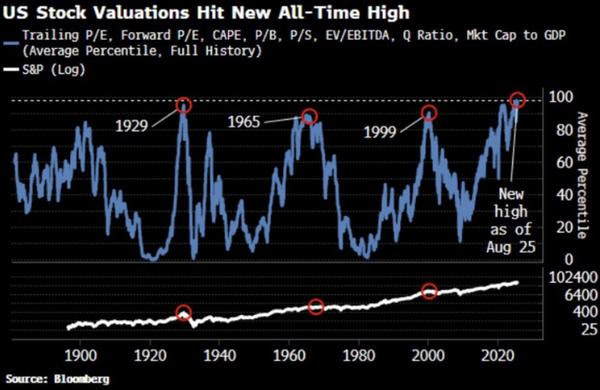
Sophisticated investors aren't waiting for gold to hit $4,000 or $5,000 to get involved. They're positioning now, while most Americans remain focused on stock portfolios and hoping for the best.
When this monetary shift accelerates, and it will, gold won't just be an investment. It will be a foundation of financial survival. The wealthy understand this, which is why central banks and billionaire investors have been accumulating gold aggressively over the past several years.
Is It Too Late to Invest in Gold?
If you've been watching gold's rise from the sidelines, wondering if you've missed the opportunity, consider this: we may still be in the early chapters of the biggest monetary reset in modern history.
Gold has preserved wealth through every currency crisis, every empire's decline, and every government's fiscal recklessness for over 5,000 years. From the fall of Rome to the collapse of the Weimar Republic, from the stagflation of the 1970s to today's debt crisis, gold has protected those wise enough to own it.
The current rally may seem dramatic, but it pales in comparison to what happened during previous monetary crises. In the 1970s, gold rose from $35 to over $850 per ounce. Adjusted for inflation, that would be equivalent to gold reaching over $3,000 today. We've just crossed that threshold.
The Bottom Line: Protecting Your Financial Future
The question isn't whether gold will continue rising. The question is whether you'll be positioned to protect your retirement savings when the full weight of America's fiscal reality finally impacts the markets.
With gold hitting new records almost weekly and the fundamental drivers of this rally just getting started, the time to consider gold as portfolio insurance may be now, before the monetary reset accelerates beyond anyone's control.
The forces driving gold higher aren't temporary market fluctuations. They're structural changes in the global financial system that have been building for decades. As these changes accelerate, gold's role as the ultimate store of value becomes more critical than ever.
For Americans who have worked their entire lives to build retirement savings, understanding this shift isn't just about investment returns. It's about preserving the purchasing power of everything you've worked to achieve.