Fed's December Surrender: What Happens When The Fed Keeps Printing Money
When the Federal Reserve announced in October 2025 that it would end quantitative tightening this December, the financial press treated it like routine monetary policy housekeeping. A few paragraphs buried in the business section. Some technical jargon about balance sheet normalization. Nothing to see here, folks.
But December is here now. And what the Fed admitted should fundamentally change how you think about protecting your wealth in the years ahead.
After spending the last few years talking tough about fighting inflation, after raising interest rates at the fastest pace in decades, after insisting they would shrink their balance sheet back to normal levels, the Federal Reserve is stopping.
They managed to reduce their holdings from $9 trillion down to $6.6 trillion. Then they hit a wall.
Not because inflation is defeated. Not because the economy has stabilized. Because the financial system itself can't handle anything else.
What Happened in 2025: The Year That Changed Everything
Look at what unfolded in 2025:
- Gold prices broke through $4,000 an ounce and stayed there, hitting record highs month after month.
- The national debt crossed $38 trillion with no signs of slowing.
- The federal government spent $1.8 trillion more than it collected, one of the largest deficits in American history outside of pandemic emergency spending.
- Interest payments on the debt alone consumed over $1 trillion for the first time ever.
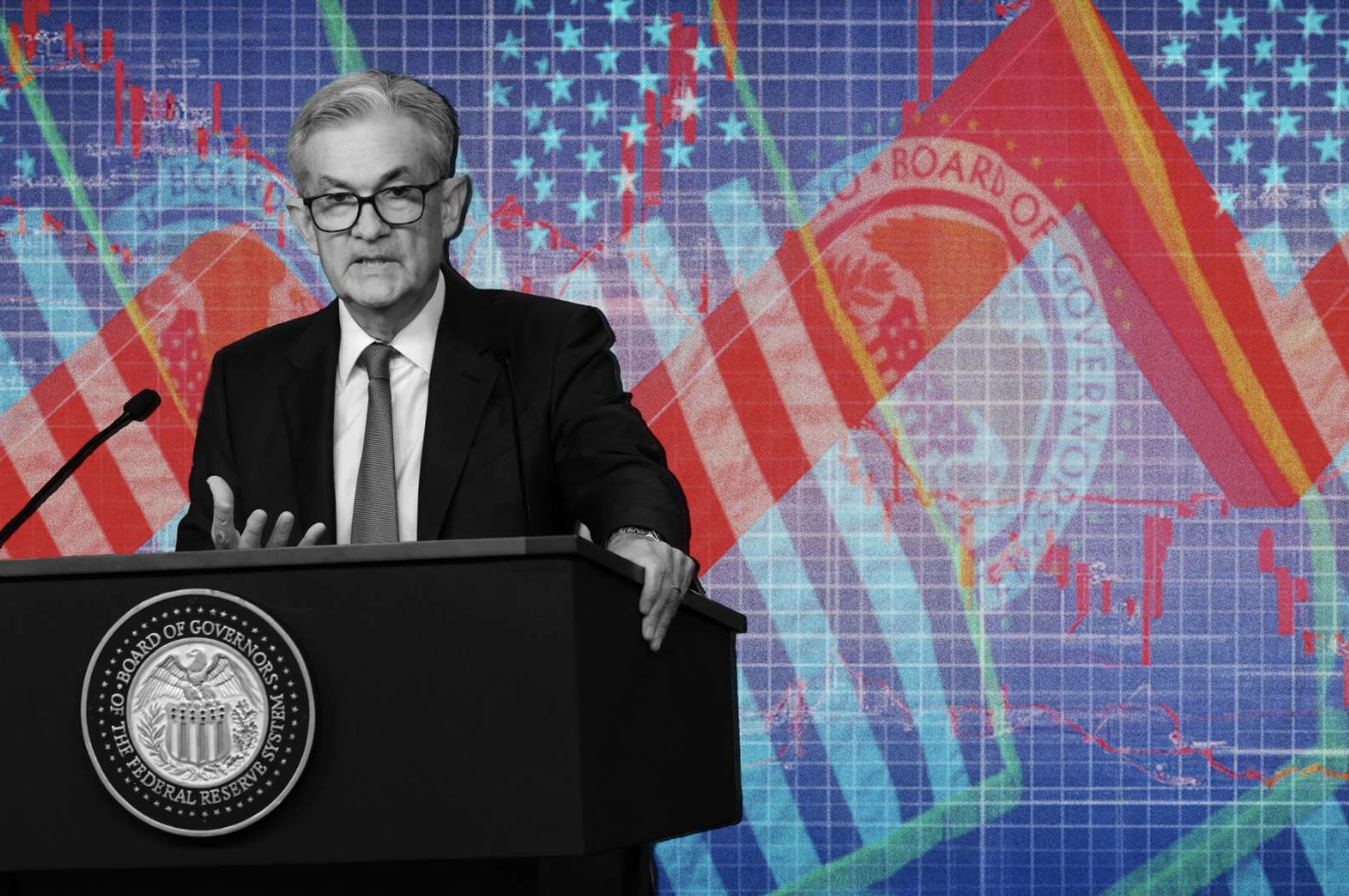
And through it all, Federal Reserve Chairman Jerome Powell stood at podiums insisting everything was under control.
But the Fed's actions told a different story. Their balance sheet remains loaded with bonds purchased during crisis after crisis—bonds they can't sell because there aren't enough buyers at current prices. They're earning two to three percent on these holdings while paying out 4.5 percent on the reserves they created to buy them.
The Federal Reserve has been operating at a loss for three consecutive years.
When they attempted even modest reductions to the money supply, cracks started appearing throughout the financial system. Repo markets showed stress. Banks needed emergency liquidity injections. The Fed quietly provided hundreds of billions to prevent a money market squeeze that most Americans never heard about.
So they stopped. December 2025 marks the official end of their attempt to return to "normal" monetary policy.
The Impossible Math: Why the Fed Can't Stop Printing Money
The two percent inflation target that guided central banking for three decades has become mathematically impossible to achieve. Not difficult. Not challenging. Impossible.
The Debt Problem
- The U.S. government owes $38 trillion and counting
- Interest payments cost over $1 trillion annually
- The political system shows zero appetite for spending cuts that would actually matter
- Tax increases large enough to close the deficit gap would crater the economy
The Fed's Binary Choice
The Federal Reserve faces an impossible decision:
Option 1: Tighten monetary policy enough to truly fight inflation.
This would spike interest rates, make the national debt unpayable, trigger a cascade of defaults through the financial system, and likely cause a severe recession or depression.
Option 2: Keep money loose and allow inflation to run.
This will slowly erode the debt burden through currency debasement, destroy the purchasing power of the dollar over time, and maintain system stability in the short term.
And it's clear they've chosen option 2: currency debasement.
The Fed can't fight inflation without crashing the system. They can't keep printing money without destroying the dollar's purchasing power. So they've decided to destroy purchasing power slowly rather than crash the system quickly.
It's not a conspiracy. It's just math.
It's basically devaluing the dollar with extra steps.
What the Official Inflation Numbers Hide From You
The government says inflation is running around three percent. But Americans looking at their actual expenses know better.
How Inflation Statistics Understate Reality
Housing Costs: Calculated using "owner's equivalent rent," a statistical estimate that consistently understates what people actually pay for housing.
Healthcare: Costs that have doubled in the past decade barely register in the inflation formula due to how they're weighted.
Education: Expenses that have tripled get minimal weight in the Consumer Price Index (CPI).
Groceries: Your food bill that's up 30% gets averaged with cheaper flat-screen TVs and imported electronics to bring the number down.
The Real Inflation Experience
Who cares if a 65-inch television costs half what it did five years ago when electricity is up 30%, insurance is up 40%, a dozen eggs costs twice what it used to, rent has doubled in many markets, and healthcare premiums have skyrocketed.
The official inflation numbers are designed to minimize the appearance of inflation. They do this job very well. They just don't reflect reality for people who need to eat, drive, heat their homes, and pay for healthcare.
Central Banks Around the World Moved to Gold
Here's where the story gets interesting.
While Americans watched their purchasing power erode and trusted that the Fed had everything under control, central banks around the world made a very different calculation.
Record Central Bank Gold Purchases in 2024-2025
According to Goldman Sachs research, central banks purchased roughly 80 metric tons of gold every single month throughout 2025. That's $8.5 billion worth of gold every month. This continued even as gold prices climbed to record highs.
In 2024, central banks bought a record 1,086 metric tons of gold. In 2025, they're on track for another 1,000 tons.
That's four consecutive years of massive gold accumulation by the world's central banks.
Why Are Central Banks Buying Gold at Record Prices?
These aren't retail investors chasing a hot asset. These are the world's most sophisticated financial institutions. They have access to economic data most people never see, and they're buying gold at record prices because they're not trying to time the market...
They're positioning for what comes next.
Understanding the Cantillon Effect: Why Inflation Hurts Regular Americans Most
When central banks create new money through quantitative easing and other programs, it doesn't spread evenly through the economy. This phenomenon is called the Cantillon Effect, named after 18th-century economist Richard Cantillon.
How New Money Flows Through the Economy
First in line: Major banks and financial institutions, large corporations with access to credit markets, big asset holders (hedge funds, etc), government contractors and connected industries.
Last in line: Regular wage earners, retirees on fixed incomes, small savers with money in bank accounts, people without significant assets.
The result: Those last in line watch prices rise on everything they need to buy while their savings account pays two percent interest on dollars that are losing value faster than that.
To actually hit a two percent inflation target, the Fed would need to tighten monetary policy hard enough to cause a serious recession. But the debt burden makes that impossible. Every percentage point increase in interest rates adds hundreds of billions to the government's annual interest payments.
The math doesn't work.
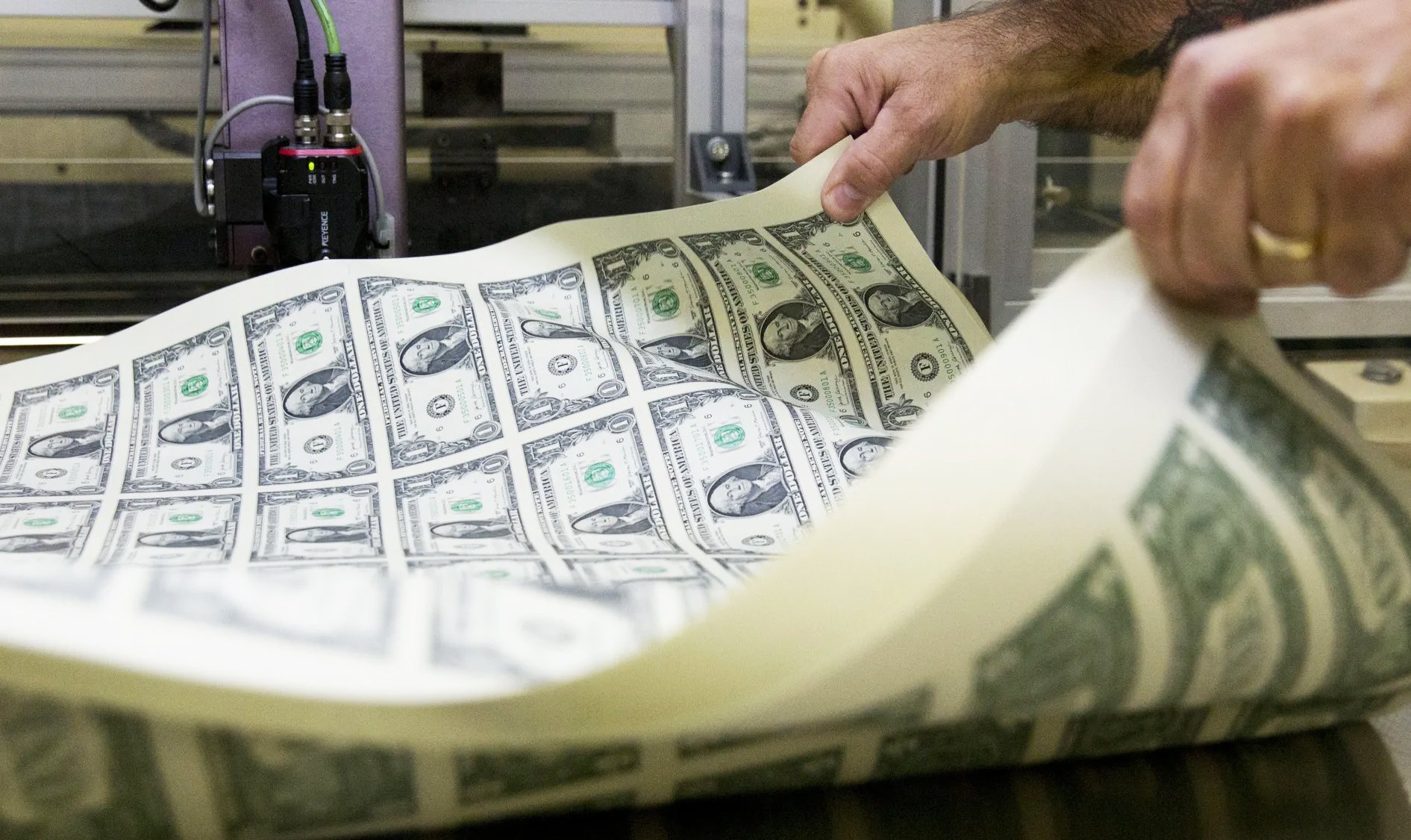
So they keep printing. And the dollar keeps losing value. Not quickly enough to cause panic. Just steadily enough that in five years you'll need significantly more dollars to buy the same goods and services. Just as we saw happen over the last 5 years.
What the Fed's December 2025 Announcement Really Means
The Fed's announcement that quantitative tightening ends in December 2025 isn't just a policy adjustment. It's an admission that the monetary experiment of the past 15 years can't be unwound.
The financial system has become dependent on continuous money creation just to function. The economy is now structurally addicted to low interest rates and abundant liquidity.
What's Coming in 2026
Based on current trends, here's what we can expect:
✓ More deficit spending as neither political party shows willingness to cut spending significantly
✓ More money printing as the Fed returns to quantitative easing when the next crisis hits
✓ More inflation in the things people actually need to buy (food, energy, housing, healthcare)
✓ More statistical manipulation to make the official inflation numbers look better than reality
✓ Continued dollar debasement as the only politically viable path forward
What Major Financial Institutions Are Forecasting
Most major banks are now forecasting gold to hit $5,000 per ounce or more in 2026. Many economists are warning that the AI-driven stock market bubble is reaching dangerous levels.
The contradictions in the system are becoming harder to paper over with optimistic press releases
Gold as a Hedge Against Currency Debasement
The question isn't whether the dollar will lose more purchasing power in 2026. The Fed's actions have already answered that question.
The real questions are:
- How much purchasing power will the dollar lose?
- How fast will it happen?
- What are you going to do to protect your retirement savings?
Why Gold Has Maintained Value for 5,000 Years
Gold has unique properties that make it an effective hedge against currency debasement:
Cannot be printed: Unlike fiat currency, no government or central bank can create more gold with a policy decision
Limited supply: Gold is scarce by nature, with annual mining production representing only about 1.5% of total above-ground supply
No counterparty risk: Physical gold doesn't depend on any government, bank, or institution to maintain its value
Historical track record: Gold has maintained purchasing power across millennia, empires, and currency systems
Universal acceptance: Gold is recognized and valued in every country and culture worldwide
Your savings sitting in dollar-denominated assets are making a bet that the Fed will somehow thread an impossible needle, that they'll print enough money to keep the system functioning but not so much that inflation spirals, that the government will somehow get spending under control without political will to do so, and that the debt will become manageable without either default or debasement.
Central banks around the world have looked at that same bet and decided to hedge differently.
They spent 2025 moving reserves out of dollar-denominated bonds and into hard assets like gold. Not because they're panicking. Because they've done the math.
How to Protect Your Retirement Savings in 2026 and Beyond
2026 is weeks away. Based on everything we've discussed, here's what the data tells us:
The national debt will be higher, the deficits will continue, the Fed will keep printing money because the alternative is system collapse, and Americans will keep watching their purchasing power erode while being told inflation is under control.
The pattern is clear. The math is simple. The Fed's December announcement removed any remaining doubt about which path they've chosen.Options for Diversifying Your Retirement Portfolio
Many Americans are exploring ways to protect their retirement savings from currency debasement:
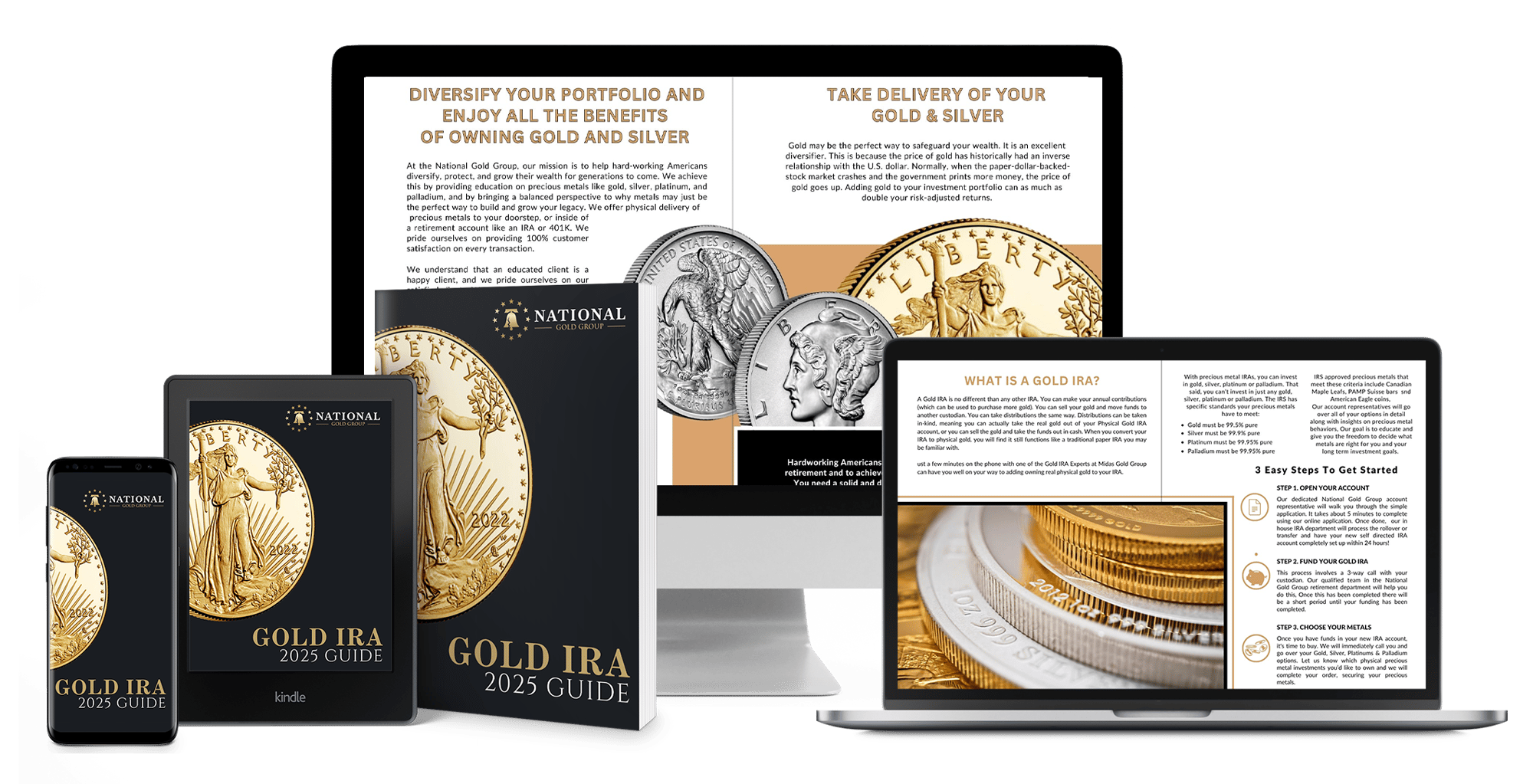
Precious Metals IRA: You can roll over existing 401(k), IRA, or TSP accounts into a self-directed IRA that holds physical gold and silver. This allows you to gain exposure to precious metals while maintaining the tax advantages of retirement accounts.
Direct Purchase of Physical Precious Metals: Some investors choose to purchase physical gold and silver coins or bars to hold outside of retirement accounts for additional diversification.
Portfolio Allocation Strategy: Financial experts often recommend allocating a portion of your portfolio to precious metals as a hedge against inflation and currency risk. The exact percentage depends on your individual circumstances, risk tolerance, and retirement timeline.
What Central Banks Are Telling Us
Central banks have already made their decision. They're not waiting for perfect timing or ideal prices. They're positioning for a world where the dollar's purchasing power continues to decline because the system requires it.
December 2025 might be remembered as the month the Fed officially gave up on returning to normal. The month they admitted, through actions if not words, that the money printing can't stop without breaking everything.
The question is whether you'll recognize what that means before 2026 makes it obvious to everyone else.
Take Action: Learn How to Protect Your Retirement Savings
At National Gold Group, our mission is to inform and educate Americans about investing in gold and other precious metals. We present you with no-pressure options that are unique to your goals and financial situation.
Why Choose National Gold Group?
✓ Over 25 years of experience helping Americans protect their retirement savings
✓ 4.9-star rating across multiple third-party review sites including Trustpilot and Google
✓ Transparent pricing with no hidden fees or high-pressure sales tactics
✓ Educational approach focused on helping you make informed decisions
✓ IRA specialists who can help you roll over existing retirement accounts into precious metals
✓ Secure storage options for physical gold and silver

.jpg)