Gold Prices Above $4,100: US Fiscal Uncertainty and Fed Rate Cuts Drive Safe-Haven Demand
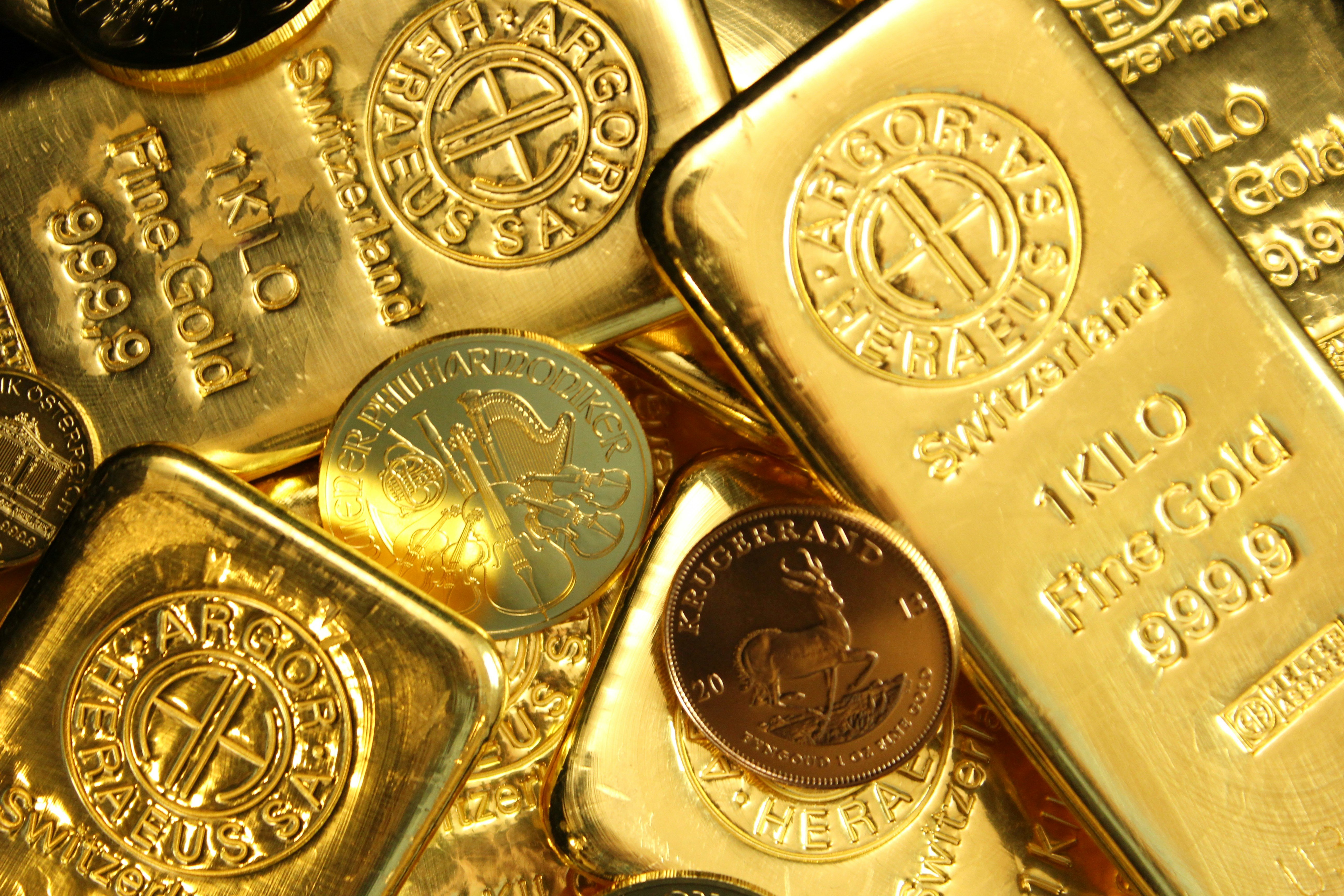
Gold has crossed $4,100 per ounce, and Bank of America forecasts it will reach $5,000 by 2026. Here's what's driving the surge and what it means for your retirement savings.
Gold Breaks Through $4,100 as Economic Uncertainty Mounts
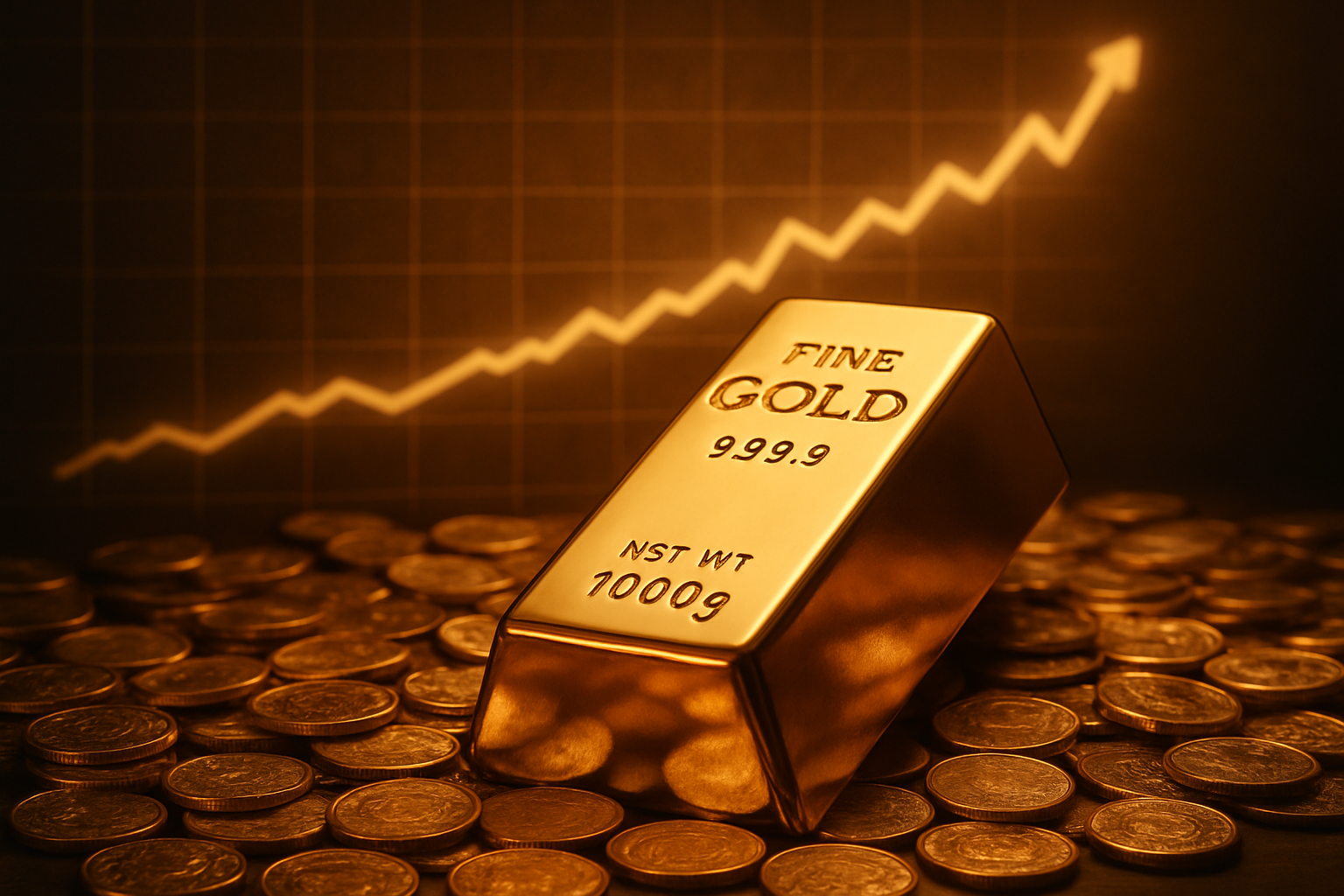
Something remarkable is happening in the gold market right now. Gold just crossed $4,100 an ounce. Not because of some temporary panic or market hiccup, but because the fundamental structure of our economy is shifting in ways that make this precious metal more valuable than ever.
According to Bank of America's latest forecast, gold prices are expected to reach $5,000 per ounce by 2026, with an average price of $4,400 throughout the year.
This represents a significant upward revision from their previous targets and reflects growing concerns about fiscal policy and monetary stability.
Government Shutdown Crisis Highlights Deeper Fiscal Problems
Washington is currently dealing with another government shutdown crisis. While the Senate has passed a funding bill and the House prepares to vote, the real issue extends far beyond political gridlock. This situation reveals a deeper structural problem that won't disappear regardless of which party controls Congress.
The core issue is fiscal uncertainty. America's national debt continues to climb, government spending shows no signs of slowing, and the Federal Reserve faces mounting pressure to cut interest rates even as inflation hovers around 3%. This type of unorthodox policy framework has historically been a powerful catalyst for gold prices.
Federal Reserve Rate Cuts: What They Mean for Your Savings
When the Federal Reserve cuts interest rates, the real yield on bonds and cash equivalents shrinks. Your money sitting in a savings account or traditional retirement fund loses purchasing power faster. The CME FedWatch tool now shows a 67% probability of a December rate cut.
Recent economic data paints a concerning picture. According to ADP indicators, American firms are shedding an average of 11,000 jobs each week. The labor market is weakening, which means the Fed is likely to continue cutting interest rates to try to stimulate the economy.
Every time rates fall, gold becomes more attractive relative to yield-bearing assets that are losing their competitive edge. Unlike bonds or savings accounts, gold doesn't depend on any government's promise or any central bank's policy decisions.
Central Banks Are Stockpiling Gold at Record Levels
This isn't just an American story. What we're witnessing is a global shift in how nations view gold as a strategic asset.
Central banks around the world have been accumulating gold at unprecedented rates, diversifying away from dollar-denominated assets. According to Goldman Sachs research, central bank purchases are averaging 70-80 metric tons per year, providing sustained structural support for gold prices.
When countries that have relied on the dollar for decades suddenly begin stockpiling gold, it signals their concerns about the future stability of fiat currencies and the international monetary system.
Investment Demand Surges 880% Year-Over-Year
The numbers tell a compelling story about institutional confidence in gold:
- Investment demand for gold has surged 880% year-over-year
- Exchange-traded fund (ETF) inflows reached a record $14 billion in September alone
- Gold has gained over 52% in 2025
- Since January 2024, gold prices have surged more than 95%
This isn't retail panic buying. This represents institutional money, sophisticated investors, and sovereign wealth funds moving capital into the one asset that doesn't carry counterparty risk.
Major Banks Revise Gold Forecasts Sharply Higher
Major financial institutions are scrambling to revise their gold price forecasts upward:
- Bank of America: $5,000 per ounce by 2026 (average $4,400)
- Goldman Sachs: $4,900 per ounce by December 2026
- Societe Generale: $5,000 per ounce by end of 2026
- Deutsche Bank: Above $4,000 by end of 2025
These aren't wild-eyed speculators making these predictions. These are the same conservative analysts who, just a few years ago, were skeptical about gold breaking $2,000. Now they're looking at the fiscal trajectory, the monetary policy environment, and the geopolitical landscape, and recognizing that gold has become essential for wealth preservation.
Some mining executives are even more bullish. Randy Smallwood, CEO of Wheaton Precious Metals, told Bloomberg that gold could "easily climb to $5,000 within a year" and potentially reach $10,000 before the end of the decade.
Technical Analysis: Gold's Upward Momentum Remains Strong
The technical picture supports the fundamental story. Gold has broken through resistance at $4,050 and is holding strong in an upward channel. Key technical levels include:
- Current price: Above $4,100
- Next resistance: $4,216 per ounce
- All-time high: $4,381 (set in October 2025)
- Support levels: $3,882 and $3,789
Momentum indicators remain strongly positive, with moving averages aligned in an upward configuration. This suggests consistent institutional interest and sustained buying pressure at any sign of weakness.
Why Gold Matters for Your Retirement Savings
If you have retirement savings in traditional accounts like 401(k)s, IRAs, or TSP plans, you're exposed to all of these risks: currency debasement, fiscal instability, geopolitical uncertainty, and policy decisions that prioritize short-term political goals over long-term economic stability.
Gold offers something fundamentally different. It's a store of value that has survived every currency crisis, every government collapse, and every financial panic in human history. Gold doesn't depend on any government's solvency, any central bank's credibility, or any politician's promises.
The Case for Gold as Portfolio Protection
This isn't about timing the market or trying to catch the perfect entry point. This is about recognizing a structural shift in the global financial system and positioning yourself accordingly.
The investors who understand what's happening right now are the ones who will preserve and grow their wealth while others watch their purchasing power erode through inflation and currency debasement.
Key reasons to consider gold for retirement protection:
- Hedge against inflation: Gold historically maintains purchasing power when currencies lose value
- Portfolio diversification: Gold often moves inversely to stocks and bonds
- No counterparty risk: Physical gold doesn't depend on any institution's solvency
- Global acceptance: Gold is recognized as valuable everywhere
- Limited supply: Unlike fiat currency, gold cannot be printed at will
- Central bank demand: Institutional buying provides price support
- Geopolitical insurance: Gold thrives during periods of uncertainty
Gold Investment Options for Retirement Accounts
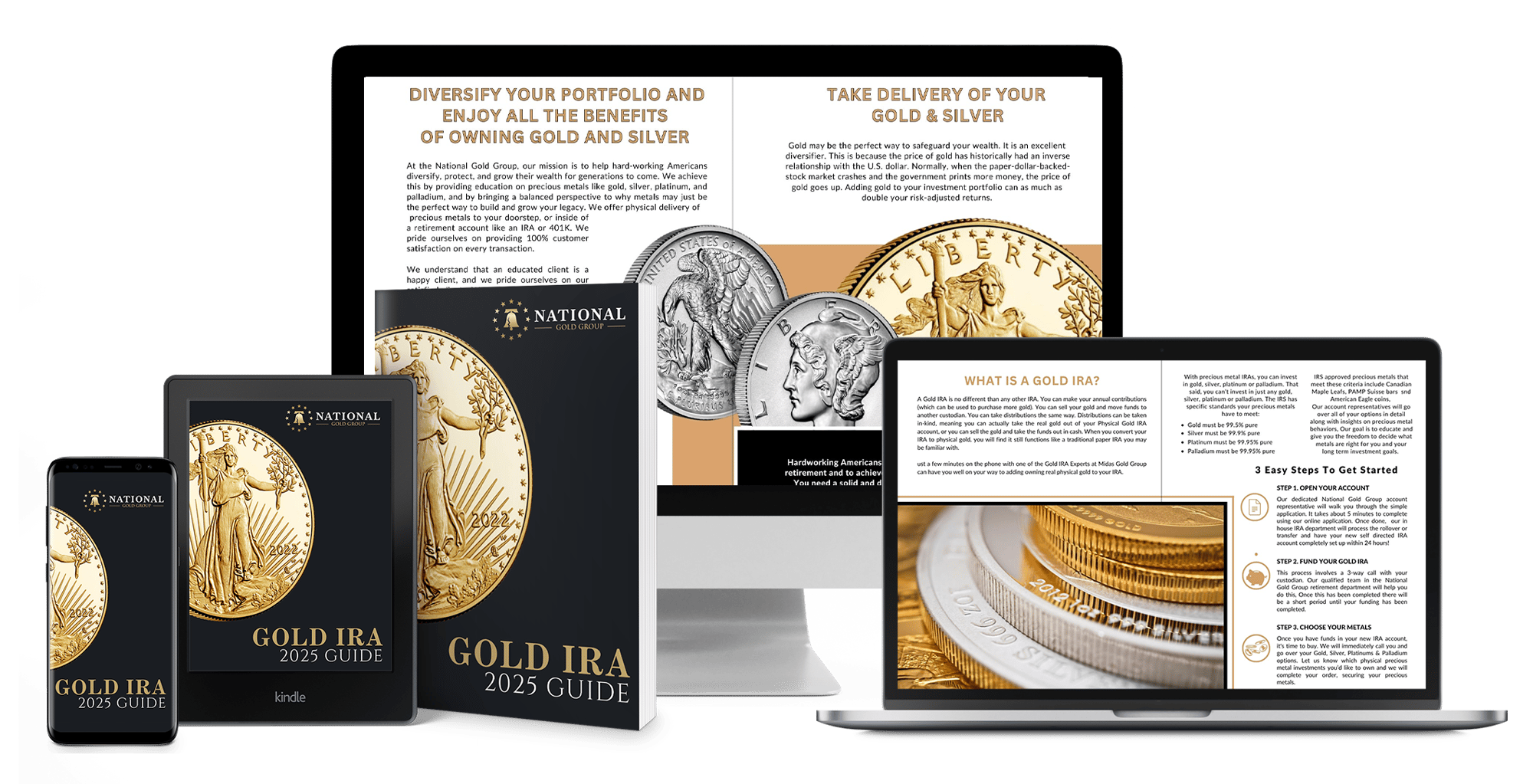
Many Americans don't realize that you can hold physical gold and other precious metals in tax-advantaged retirement accounts. A Gold IRA allows you to diversify your retirement savings with physical precious metals while maintaining the same tax benefits as traditional retirement accounts.
You've worked hard for your retirement savings. You've been responsible, you've saved, and you've done everything you were supposed to do. But the rules of the game are changing, and the strategies that worked for the past 40 years may not work for the next 10.
Gold isn't a speculative bet. It's insurance against the exact economic scenario we're living through right now - rising debt, fiscal uncertainty, weakening currency, and unprecedented monetary policy experiments.