Gold and Silver Hit Record Highs: What This Means For Your Wealth in 2026
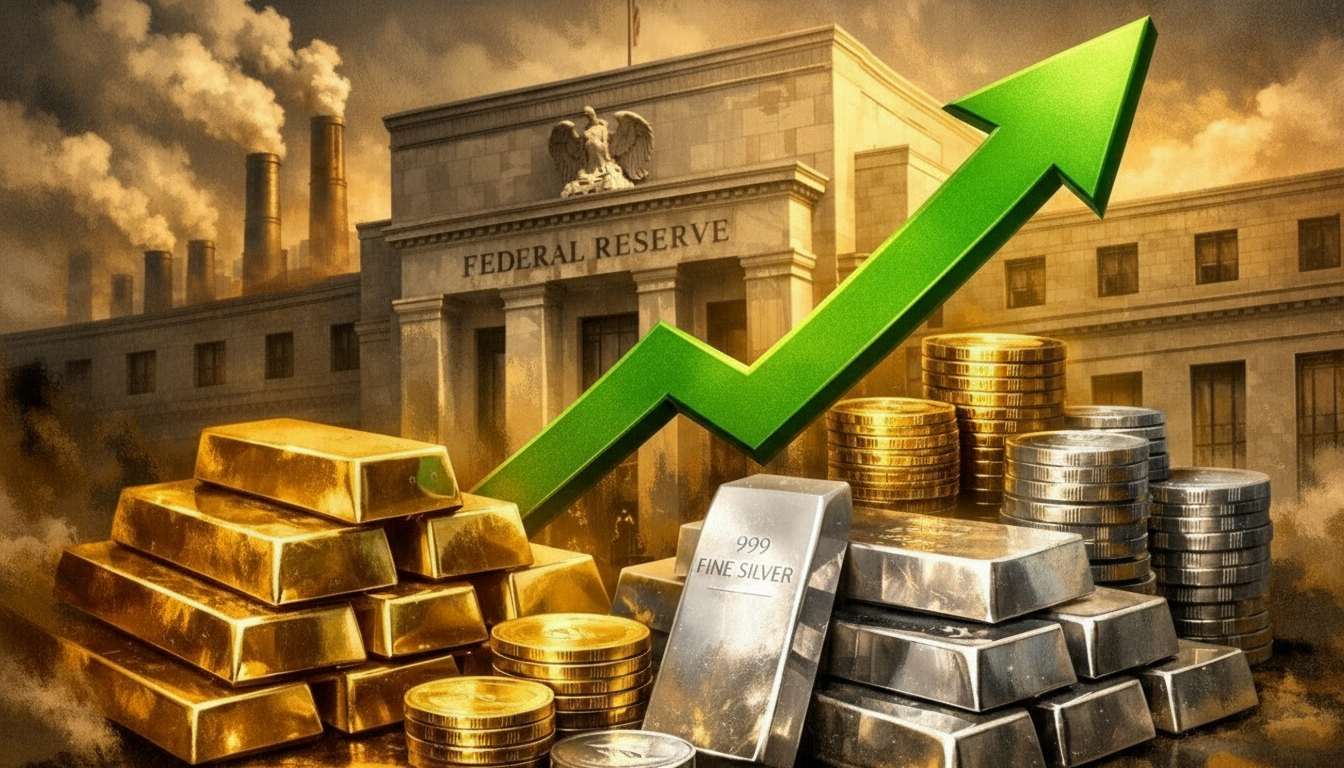
Precious Metals Surge To New Highs
Gold surged past $4,600 an ounce this morning, while silver climbed above $90 an ounce, marking new all-time highs for both precious metals.
These milestone prices represent more than just impressive numbers. They signal a fundamental shift in the global financial system that investors and savers need to understand.
The simultaneous rally in both metals is what market analysts are calling a "blistering rally" and a genuine "super-cycle." This coordinated movement suggests deeper economic forces at play rather than temporary market speculation.
Understanding the 2025 Precious Metals Performance
The numbers from 2025 tell a compelling story. Gold gained over 66% throughout the year, marking its best annual performance since 1979. Silver's surge was even more dramatic, climbing an astounding 142% to also record its best year since 1979.
These massive rallies reflect responses to very real economic pressures that continue to intensify as we move deeper into 2026. The question many investors are asking is whether these gains represent a bubble or a rational response to changing economic conditions.
Central Bank Gold Buying Reaches Historic Levels
Central banks worldwide have been aggressively accumulating gold for four consecutive years, adding over 1,000 tons to their reserves annually for the past three years.
To put this in perspective, that represents approximately $150 billion worth of gold being removed from the market every year.
This institutional buying creates strong underlying support for gold prices. When the entities responsible for managing national wealth consistently choose gold over other assets, it sends a powerful signal about their confidence in traditional currency systems.
For the first time in history, central banks now hold more gold than US Treasuries in their reserves. This historic shift represents a fundamental change in how sovereign nations view wealth preservation and currency risk.
The Silver Supply Crisis Driving Prices Higher
While gold benefits from central bank demand, silver faces a different but equally powerful dynamic. According to the Global Silver Institute, silver supply falls short by approximately 800 million ounces for industrial demand alone.
This supply crisis occurs while investors simultaneously rush to purchase silver from exchanges for its monetary properties. Silver serves dual roles as both an industrial commodity essential for technology manufacturing and a precious metal that investors seek for wealth protection.
The combination of industrial demand and investment demand against constrained supply creates the conditions for significant price appreciation. This explains why silver's percentage gains have outpaced even gold's impressive performance.
US Dollar Weakness and Currency Debasement Concerns
The US Dollar completed its worst year since 2017, declining nearly 10% according to the Wall Street Journal Dollar Index. When the world's reserve currency weakens substantially, it reflects deeper concerns about America's fiscal trajectory and mounting national debt.
The Federal Reserve's policies continue to expand the money supply despite official claims of fighting inflation. In January alone, the Fed announced $40 billion in treasury purchases, quietly resuming what amounts to quantitative easing, though officials avoid using that term.
As one market analyst observed, "The balance sheet expansion is outright monetary debasement, and there's nothing better for precious metals than that."
This monetary expansion dilutes the purchasing power of existing dollars, making hard assets like gold and silver more attractive.
Federal Reserve Under Investigation
Adding to concerns about monetary policy, the Department of Justice is now criminally investigating the Federal Reserve regarding massive waste of money renovating their own building.
This investigation raises questions about institutional oversight and fiscal responsibility at the highest levels of America's monetary system.
Wall Street Projections for Gold and Silver Prices
Major financial institutions have dramatically revised their precious metals forecasts.
Bank of America now projects gold could reach $6,000 per ounce by the end of 2026, with silver potentially climbing as high as $309 an ounce.
A year ago, these price targets would have seemed absurd to most market observers. Today, they represent the expected consensus among investors who have been monitoring the underlying signals in commodity markets and monetary policy.
These projections are not based on speculation but on fundamental analysis of supply constraints, demand growth, and monetary conditions that continue to favor precious metals.
Supply Constraints in Mining Operations
The supply situation for precious metals continues to tighten rather than loosen. Mining companies face increasingly stringent regulatory hurdles that make new projects difficult and expensive to develop.
Environmental regulations, permitting delays, and community opposition mean that even when metal prices rise substantially, new supply cannot quickly come online to meet demand. This creates a structural imbalance that supports higher prices over extended periods.
Meanwhile, demand from both investors seeking safety and industries requiring these materials for technology and energy infrastructure continues to accelerate. The growth of renewable energy, electric vehicles, and advanced electronics all require significant amounts of silver and other precious metals.
Where We Are in the Precious Metals Cycle
The consensus among market analysts is that we are not at the end of this cycle. Most evidence suggests we remain in the early to middle stages of a multi-year bull market in precious metals.
The Federal Reserve is expected to cut interest rates multiple times in 2026, which historically has been very supportive for gold prices. Lower interest rates reduce the opportunity cost of holding non-yielding assets like gold and silver, making them more attractive relative to bonds and savings accounts.
The structural forces driving precious metals higher have not changed. In fact, they are intensifying. Rising government debt, geopolitical instability, currency debasement, and accommodative central bank policies all continue to support the case for precious metals ownership.
Economic Conditions Favoring Precious Metals
The current economic environment features several conditions that historically favor precious metals performance. Rising national debt levels in the United States and other developed nations create concerns about long-term fiscal sustainability.
Geopolitical instability, from tensions in the Middle East to uncertainty in South America, drives investors toward safe-haven assets. Currency debasement through monetary expansion reduces confidence in paper currencies.
These are precisely the conditions where gold and silver have historically performed their most important function: preserving purchasing power across generations and protecting wealth during periods of economic uncertainty.
The Risk of Staying Fully Invested in Dollar Assets
For Americans with retirement savings, the current environment creates both risks and opportunities.
The primary risk is remaining fully invested in dollar-denominated assets while the purchasing power of those dollars continues to erode through inflation and monetary expansion.
Traditional retirement accounts holding stocks, bonds, and cash are all denominated in dollars. When the dollar weakens substantially, the real purchasing power of these savings declines even if nominal account values remain stable or grow modestly.
The Opportunity in Physical Precious Metals
The opportunity lies in allocating a portion of retirement savings to physical assets that have protected wealth for thousands of years and are currently experiencing a structural bull market.
Gold and silver are not speculative investments in this context. They serve as insurance against monetary debasement and economic instability.
Their current rally reflects rational responses to observable economic conditions rather than irrational exuberance.
Interest Rate Cuts and Precious Metals Performance
The Federal Reserve's expected interest rate cuts in 2026 provide additional support for precious metals prices. When interest rates fall, the opportunity cost of holding gold and silver decreases.
Bonds and savings accounts offer lower yields in a low-rate environment, making non-yielding assets like precious metals more competitive. Additionally, rate cuts often signal economic weakness or financial stress, conditions that typically drive safe-haven demand.
Is It Too Late to Consider Precious Metals?
Despite the substantial gains already recorded, market analysts suggest we remain in a window of opportunity. The structural factors supporting precious metals have not been resolved and show no signs of near-term resolution.
Government debt continues to grow. Central banks continue to expand their balance sheets. Geopolitical tensions remain elevated. Supply constraints in mining persist while demand from both investors and industry accelerates.
These conditions suggest that while precious metals have already appreciated significantly, the fundamental case for ownership remains intact. The question is not whether these trends will continue, but how long they will persist and how much further prices might climb.
Historical Context for Current Price Levels
While current prices represent all-time highs in nominal terms, it's worth considering them in historical context. Adjusted for inflation, gold prices in the early 1980s reached levels equivalent to over $8,000 in today's dollars.
This suggests that even at $4,600 per ounce, gold remains well below its inflation-adjusted historical peak. Silver, despite its dramatic rally, also remains below its inflation-adjusted highs from four decades ago.
This historical perspective does not guarantee future performance, but it does suggest that current price levels, while elevated, are not unprecedented when viewed through the lens of purchasing power rather than nominal dollars.
The Role of Precious Metals in Wealth Preservation
Throughout human history, gold and silver have served as stores of value and mediums of exchange. Unlike paper currencies, which can be created in unlimited quantities by central banks, precious metals have inherent scarcity.
This scarcity, combined with universal recognition and acceptance, makes them effective tools for preserving wealth across generations and through periods of economic turmoil.
Every major currency in history has eventually failed or been devalued. Gold and silver have maintained their purchasing power.
Looking Ahead to the Rest of 2026
The remainder of 2026 will likely bring continued volatility in precious metals markets. Short-term price fluctuations are normal and expected in any bull market.
However, the underlying trends supporting higher prices remain firmly in place.
Investors should focus on the fundamental drivers rather than day-to-day price movements. The combination of supply constraints, growing demand, monetary expansion, and geopolitical uncertainty creates a powerful backdrop for precious metals appreciation.
Whether prices reach the ambitious targets set by Wall Street analysts remains to be seen. What seems clear is that the conditions favoring precious metals ownership are not temporary or likely to reverse quickly.
The historic rally in gold and silver reflects a rational response to observable economic conditions.
For those seeking to preserve purchasing power and protect wealth in an uncertain economic environment, precious metals continue to serve their traditional role as financial insurance and stores of value.