Gold Breaks $3,600 While Investors Dump Bonds Worldwide

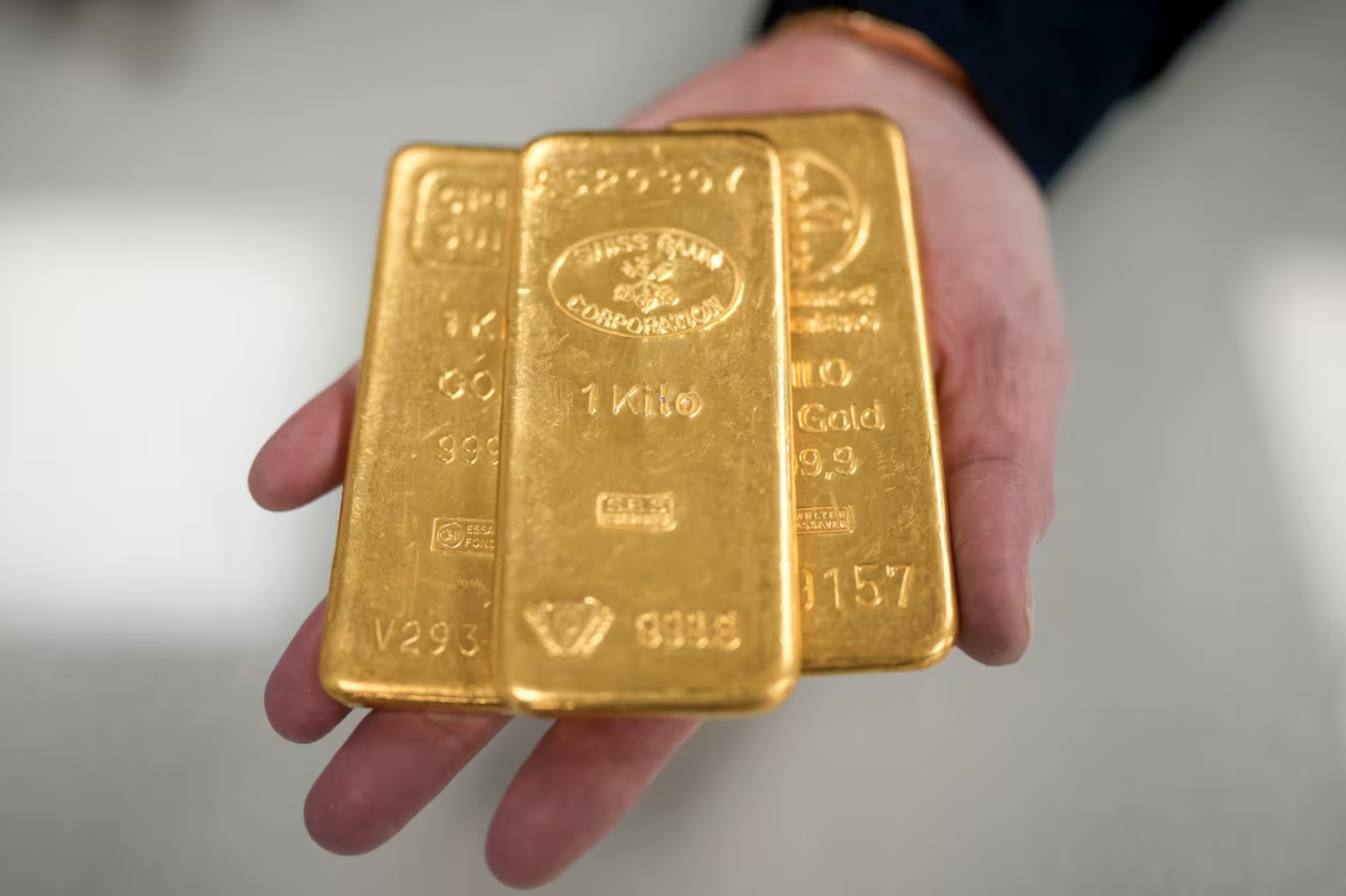
Gold just shattered through the $3,600 price per ounce barrier for the first time in history.
The catalyst was Friday's jobs report showing unemployment climbing to 4.3%, the highest level since 2021, with only 22,000 jobs created in August.
Markets now expect the Federal Reserve to cut interest rates with 90% certainty. But there's more to the story that explains why gold pierced the $3,600 mark, and why it's likely heading even higher.
The Great Bond Sell-Off: A Global Crisis of Confidence
What's been unfolding in financial markets reveals a fundamental shift that every investor needs to understand. While gold soared to new records, investors are dumping bonds globally in an unprecedented move that's rewriting the traditional safe-haven playbook.
The 30-year Treasury yield shot past 5% for the first time since July. Japan's 30-year government bond yield hit a record high, up 100 basis points this year. UK 30-year bond yields climbed to their highest point since 1998. French 30-year debt risk premiums touched levels not seen since 2008. Even German bonds, traditionally Europe's safest, saw 30-year yields hit a 14-year high.
Here's what this means in plain English: when bond yields rise, it's because investors are demanding higher interest payments to lend money to governments. They're essentially saying, "We don't trust you as much as we used to, so we want more compensation for the risk."
When this happens across every major developed nation simultaneously, it signals a global crisis of confidence in government debt. Investors are worried that governments might not be able to pay back what they owe, or that the money they get back won't be worth as much due to inflation.
Why Traditional Safe Havens Are Failing
This isn't just another market rotation. Historically, when investors get nervous, they flee to government bonds as the ultimate safe haven. But that's changing because the underlying assumptions about government reliability are being questioned.
Instead of bonds, institutional money is choosing gold, and the reasons go far beyond typical market dynamics.
The politicization of monetary policy has reached a critical point. President Trump's unprecedented removal of Federal Reserve Governor Lisa Cook, combined with his pressure on Fed Chair Jerome Powell to lower rates, has raised serious questions about central bank independence.
As University of Waikato economist Michael Ryan explains, "This is a situation where inflation is now an emergent risk, and gold is the only game in town."
Labor Market Recession Signals Deeper Economic Problems
The jobs data that triggered Monday's gold surge tells an even deeper story. Moody's economist Mark Zandi warns we're in a full-blown "labor recession" that risks spilling into the broader economy.
He describes the current situation as being "on the edge of the cliff," with the economy clinging with fewer fingers than it had months ago.
What makes this particularly concerning is that job losses are occurring without significant layoffs yet. The preliminary benchmark revisions coming September 9 are expected to show significant downward adjustments to earlier job creation numbers, potentially revealing that the workforce has been contracting since 2020.
If companies start accelerating layoffs, this labor recession becomes something much worse.
The Debt Spiral That's Driving Gold Higher
Meanwhile, the fiscal situation continues deteriorating. The national debt has reached $37 trillion, growing by over $5 billion daily.
Interest payments now consume 13% of all government spending, more than is spent on Medicare or national defense. The average interest rate on federal debt has more than doubled from 1.56% in January 2022 to 3.35% as of July 2025.
This creates what economists call a debt spiral. Higher interest rates mean higher debt service costs, which require more borrowing, which increases the debt burden.
Eventually, this dynamic forces governments to choose between defaulting on obligations or printing money to meet them. Neither option is good for currency holders.
Gold vs Bonds: Physical Assets vs Financial Promises
As State Street Global Advisors senior strategist Angela Lan explains the difference between traditional safe havens:
"Treasury bonds are a financial liability. You own a promise to receive future cash flows and its value is backed by the government. Gold, on the other hand, is not a liability. It is a physical asset that does not tarnish, rust or erode, a naturally rare element with its inherent value."
Central banks understand this distinction, which is why they've been accumulating gold at record levels. They recognize that when governments struggle with debt sustainability and monetary policy becomes politicized, physical assets become more reliable than financial promises.
Wall Street's Gold Price Predictions for 2025-2026
Wells Fargo analysts now predict that gold and silver will outperform even strong equities in a low-rate environment, as the fundamental drivers behind precious metals remain firmly in place.
UBS analysts project gold could reach $3,700 per ounce by mid-next year, while some Goldman Sachs analysts suggest it could hit nearly $5,000 if concerns about Federal Reserve independence continue to grow.
Gold has surged 37% this year, building on last year's 27% gain. This performance reflects growing recognition that traditional portfolio diversification may not be sufficient when the underlying monetary system faces structural challenges.
What This Means for Retirement Portfolios
For Americans with retirement savings in 401k plans, IRAs, or TSP accounts, this environment creates both risks and opportunities.
The risk is that dollar-denominated assets lose purchasing power as currency confidence erodes. The opportunity is gold, because it's the ultimate hedge against currency debasement and fiscal irresponsibility.
This isn't about speculation or timing markets. It's about recognizing that the financial system is undergoing fundamental changes that threaten the value of dollar-denominated assets.
Gold offers independence from these risks because it's not anyone's liability or promise. It's real, tangible wealth that has preserved purchasing power through every currency crisis in history.
The current environment of rising debt, politicized monetary policy, and global bond market instability creates conditions where gold's role as a store of value becomes increasingly important for portfolio protection.