The Misleading CPI Data And Why Gold Keeps Rising Going Into 2026
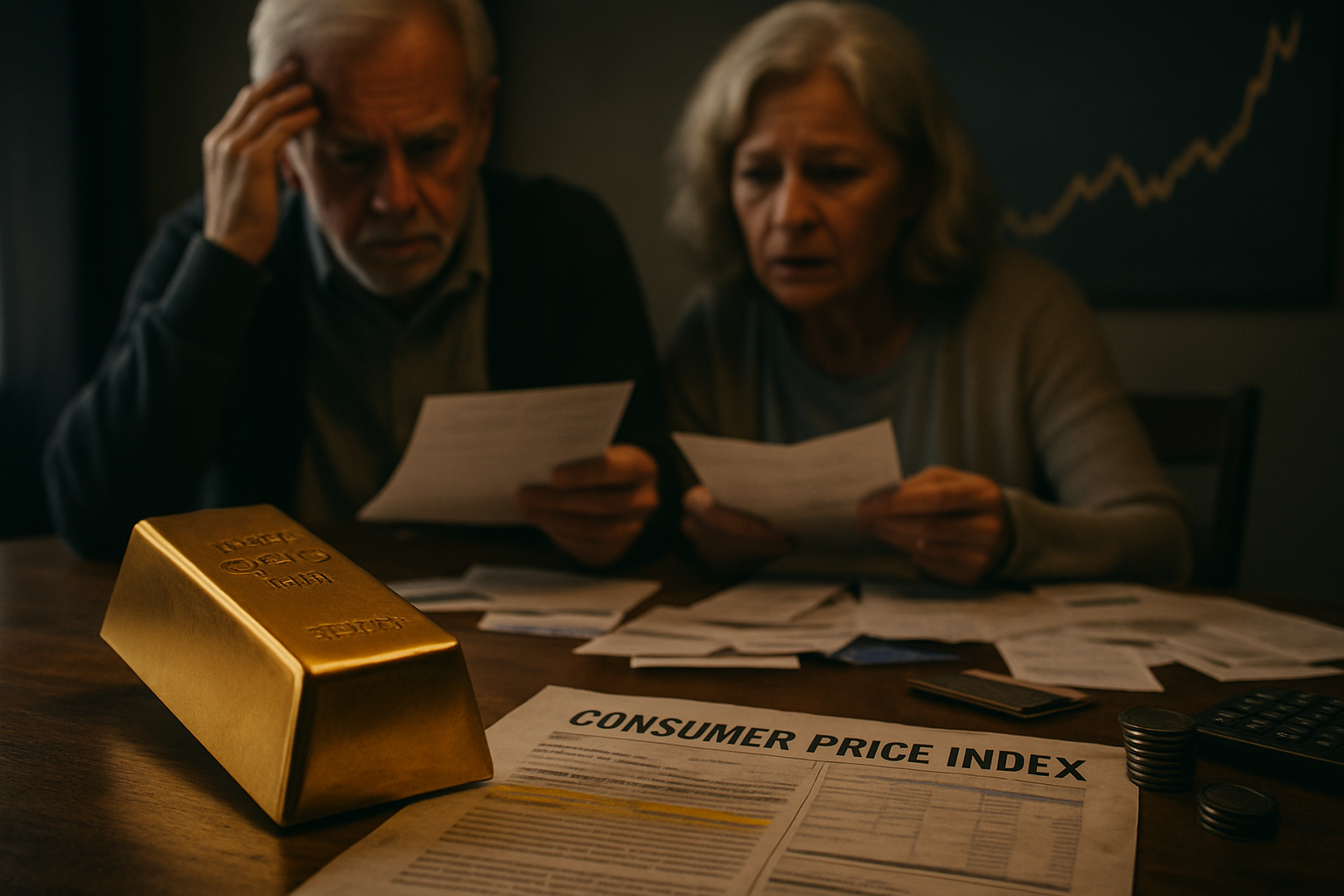
The latest Consumer Price Index (CPI) report for December 2025 has economists scratching their heads. While official numbers suggest inflation is cooling to just 2.7% annually, a closer look reveals serious data collection problems that call these figures into question.
Meanwhile, Americans are experiencing record-high living costs, soaring credit card debt, and unprecedented financial stress.
In times of economic uncertainty and unreliable government data, savvy investors turn to gold as an inflation hedge and store of value. Here's why gold investment matters more than ever in 2025.
The CPI Report Problem: Missing Data and Questionable Assumptions
The December 2025 CPI report shows inflation at 2.7% year-over-year, with core inflation (excluding food and energy) cooling to 2.6%—the lowest reading in years.
On the surface, this appears to be good news.
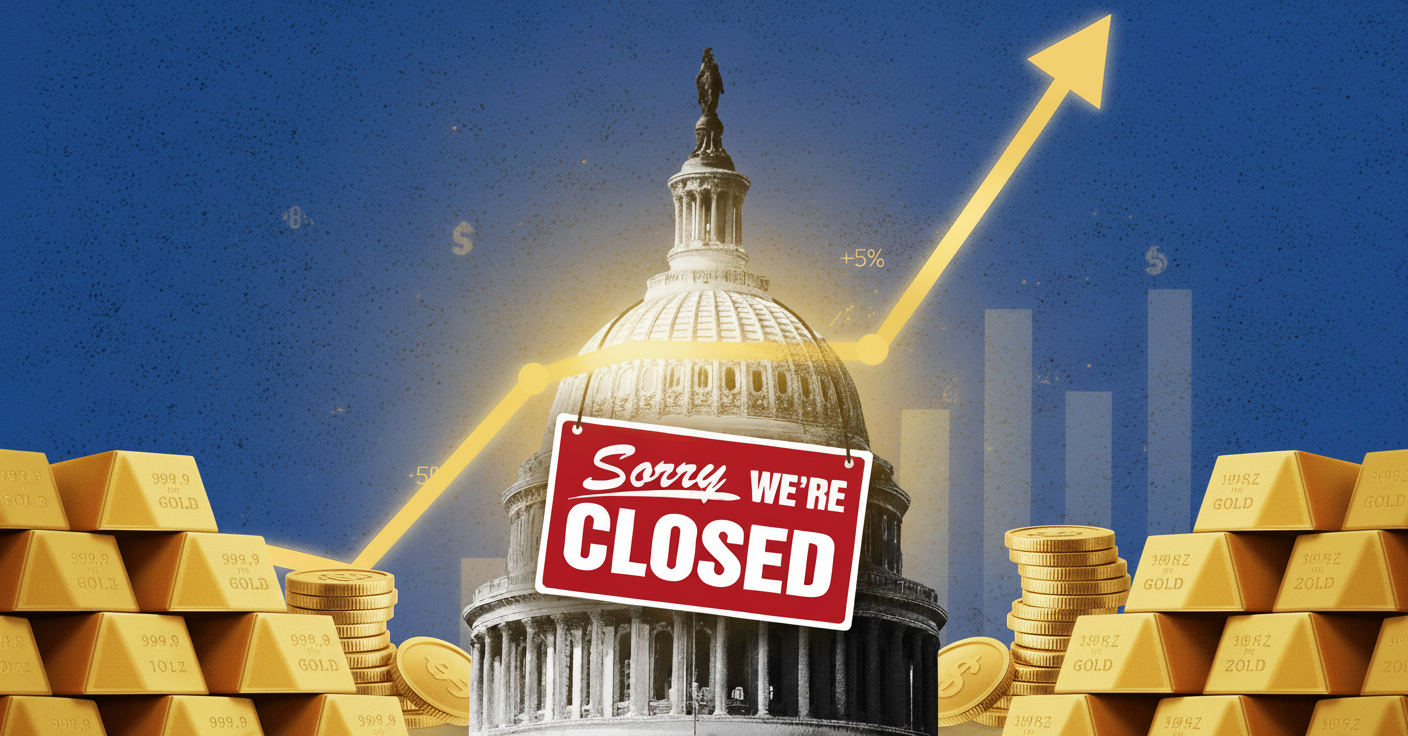
However, the Bureau of Labor Statistics (BLS) acknowledged a critical flaw: the 43-day government shutdown from October through November paralyzed essential data collection.
Without real price data for October and much of November, the BLS made methodological assumptions, essentially carrying September prices forward across multiple categories.
What Economists Are Saying About the CPI Data
Leading economists from UBS, Evercore, and Morgan Stanley have raised red flags about the November and December CPI reports.
Housing costs, which represent over 40% of core inflation, essentially flatlined in October according to the report, a scenario economists say is highly unlikely.
As one economist put it, the data should be taken "with the whole salt shaker."
The problem compounds because this flawed report anchors the index going forward, meaning we may not get a clear inflation picture for months.
The Real Cost of Living Crisis in America
While official CPI numbers tell one story, American households are living a very different reality. The disconnect between government inflation data and actual living costs has never been wider.
Record Credit Card Debt Signals Financial Stress
Americans' total credit card debt reached a staggering $1.2 trillion in late 2025, the highest balance ever recorded.
Even more alarming, credit card delinquency rates have more than doubled since 2021, with 10.75% of active cardholders making only minimum payments.
A recent survey found that 73% of workers are struggling to afford anything beyond basic living expenses.
As one 69-year-old told The Guardian: "I'm constantly stressed about money...I live check to check on social security and have no choice but to rely on credit card debt for food, bills, and other living expenses."
The True Cost Increases Since 2000
The purchasing power erosion becomes clear when examining long-term cost increases:
- Housing costs: up 118% since 2000
- Healthcare: up 200% since 2000
- Food prices: 18% higher than January 2022
- Utility costs: up 12% in the last year
- Childcare: over $13,000 annually (up 30% since 2020)
- Average wages: only up 65% since 2000
A March 2025 survey revealed that 95% of Americans are worried about price increases, and 85% are anxious about their personal finances.
The gap between official inflation metrics and lived experience has created a crisis of confidence in economic data.
Why Gold Is the Ultimate Inflation Hedge
When official economic data becomes unreliable and the gap between government reports and reality widens, investors need an anchor. And they turn to assets that hold their value regardless of what the statistics say.
Gold has served this role for thousands of years, and right now the world's most sophisticated investors are betting on it more heavily than ever.
Central Banks Are Buying Gold at Record Levels
Central bank gold buying reached unprecedented levels in 2022-2025, with purchases exceeding 1,000 tonnes for the third consecutive year.
China, India, Turkey, and Poland have been aggressively adding to their gold reserves, signaling a fundamental shift away from dollar-denominated assets.
This isn't speculation. It's a strategic realignment.
Central banks see what everyday Americans are feeling: the purchasing power of paper currency is eroding, and traditional economic indicators can no longer be trusted.
Gold Price Forecasts: Expert Predictions for 2025-2030
Major financial institutions are projecting significant gold price increases:
- Goldman Sachs: $5,000 per ounce by mid-2026
- Bank of America: $6,000 per ounce by late-2026
- J.P. Morgan: potentially $10,000 per ounce by 2030
These projections are based on structural economic changes: persistent inflation, geopolitical uncertainty, massive government debt, and strategic de-dollarization across emerging markets.
Gold vs. Inflation: Historical Performance
While housing costs increased 118% since 2000 and wages only 65%, gold has surged over 600% in the same period—far outpacing both inflation and wage growth. This demonstrates gold's effectiveness as a long-term inflation hedge and purchasing power protector.
Gold maintains its intrinsic value independent of government data manipulation, political pressures, or central bank policy decisions.
It's a tangible asset with 5,000 years of history as a store of wealth.
How to Protect Your Purchasing Power with Gold
The disconnect between official inflation numbers and lived experience isn't going away.
Government shutdowns, data gaps, and methodological assumptions will continue to cloud the economic picture. But gold's value doesn't depend on government reports or seasonal adjustments.
Why Now Is the Time for Gold Investment
Several factors make 2026 a critical time to consider gold as part of your portfolio:
- Unreliable CPI data creates uncertainty in traditional inflation hedges
- Record central bank buying establishes a strong price floor
- Geopolitical tensions and de-dollarization trends continue
- Real purchasing power continues to erode despite official data
- Expert forecasts predict significant price appreciation
Gold Investment Options for 2026
Investors have two main options for adding gold to their portfolios:
Each option has different benefits depending on your investment goals, time horizon, and risk tolerance. Working with experienced precious metals specialists can help you determine the right strategy for your situation.
Conclusion: Gold as Your Anchor in Economic Uncertainty
The question isn't whether inflation is really 2.7% or something higher.
The question is: what are you doing to protect yourself either way?
When CPI reports are compromised by data collection failures and Americans face record debt levels and soaring living costs, gold stands as a proven inflation hedge with thousands of years of history. Central banks worldwide are accumulating gold at record levels, and leading financial institutions project substantial price appreciation through 2030.
Gold protects purchasing power in ways paper assets simply cannot. It's not subject to government data manipulation, political pressures, or the whims of central bank policy.
In times of economic uncertainty and unreliable official statistics, gold provides the stability and security that investors need.