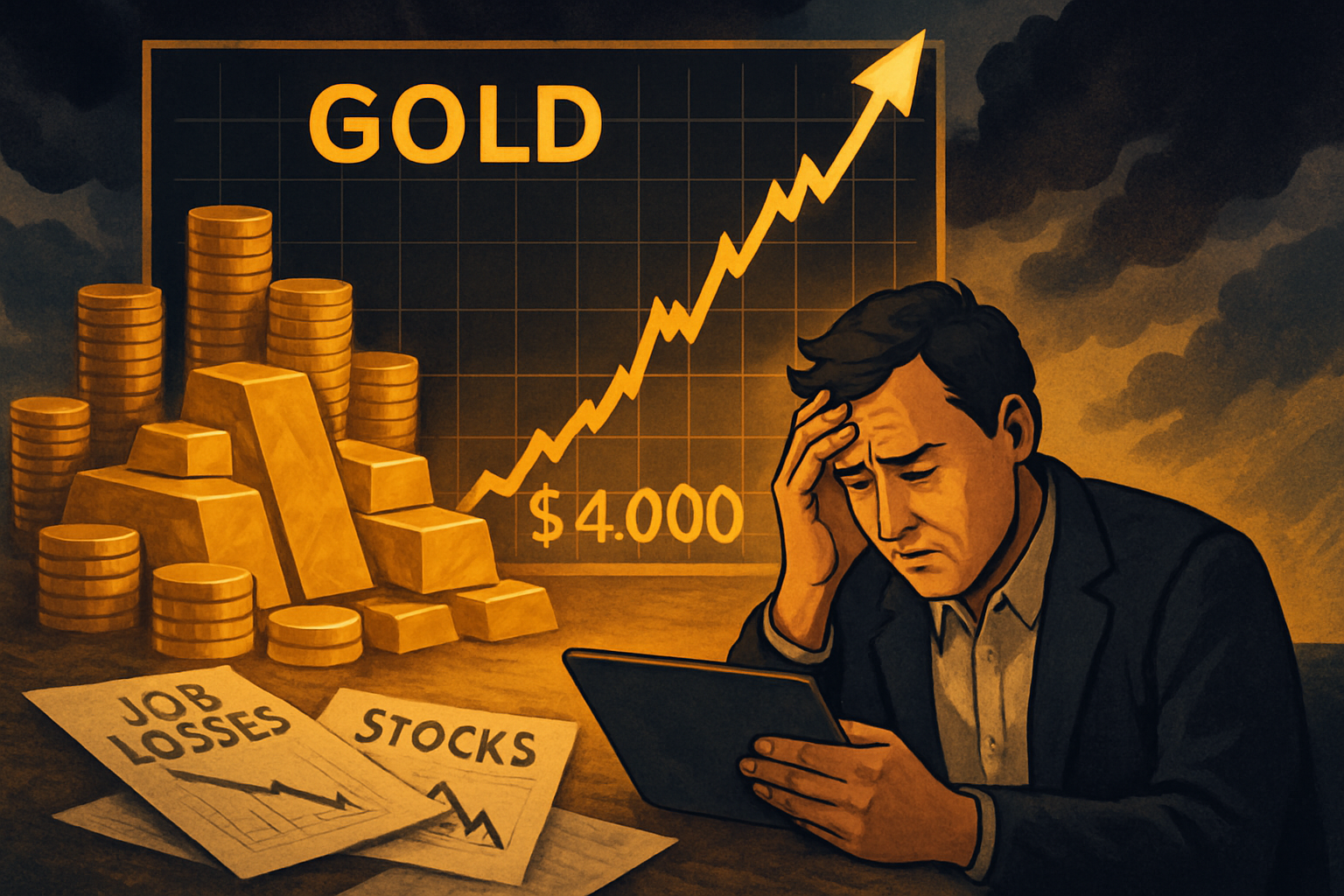
Goldman Sachs predicts that gold could surge toward $5,000 if President Trump’s efforts to erode the Federal Reserve’s independence spark a broad investor exit from bonds, equities, and the U.S. dollar.
At the same time, labor data remains shaky, and Wall Street is nearly unanimous that the Fed will cut rates in September. Global markets opened broadly positive today.
In a note to clients seen by Fortune, Goldman argued that Trump’s escalating conflict with the Fed could destabilize confidence in major asset classes, sending investors toward gold as a safe haven.
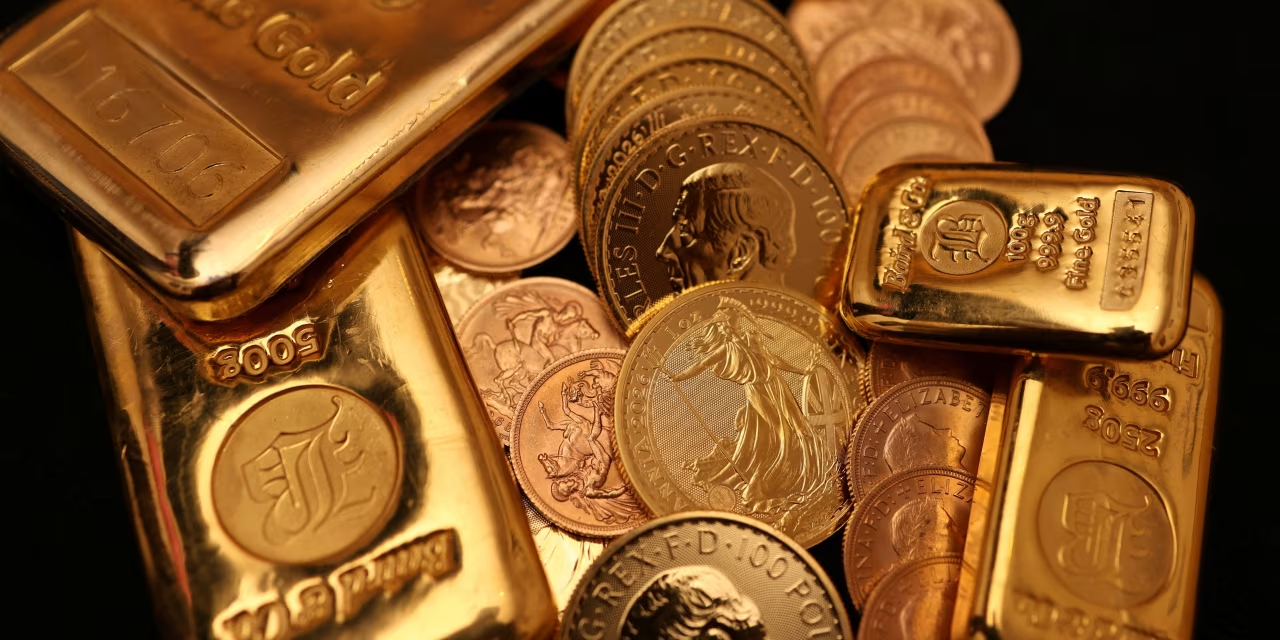
The bank said this scenario could lift prices to $5,000 an ounce. Gold is currently trading at $3,596 on Comex, up 36% year-to-date and close to its record high.
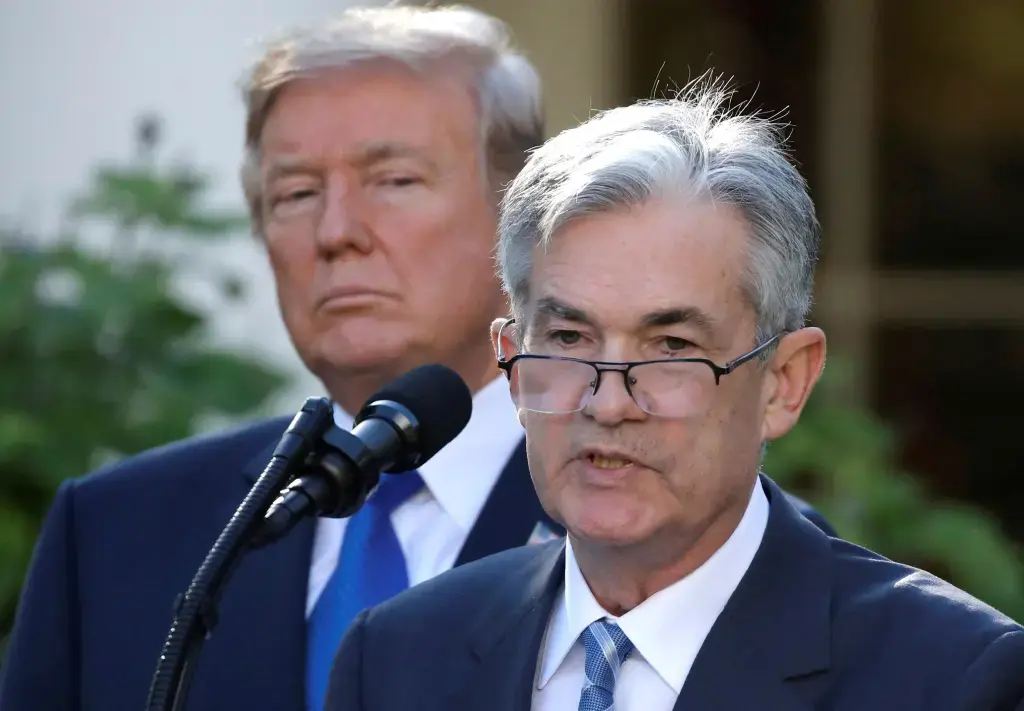
The White House has signaled a push to reshape the Federal Open Market Committee with more loyalists. Trump and his allies have demanded criminal probes into Fed Chair Jerome Powell and Governor Lisa Cook, accusing them of misconduct.
He has attempted to remove Cook and made clear Powell will be replaced with someone favoring aggressive rate cuts.
Such moves are rattling markets. “A scenario where Fed independence is compromised would likely mean higher inflation, lower bond and stock prices, and erosion of the dollar’s reserve status. Gold, by contrast, does not depend on institutional trust,” said Goldman strategist Samantha Dart.
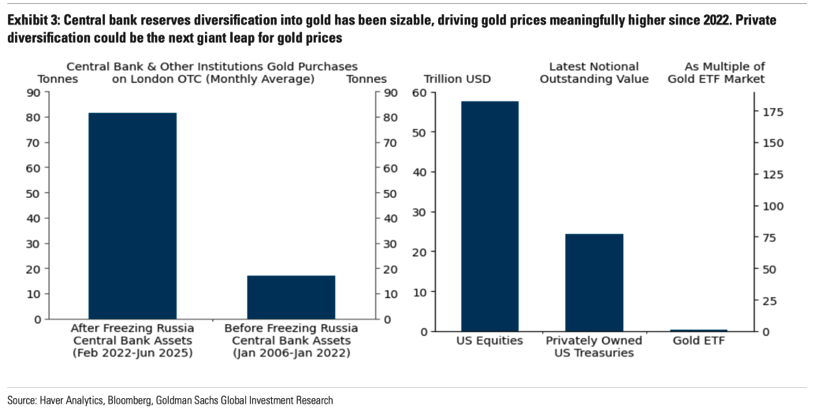
Dart modeled a $4,500 “tail risk” but said only a small capital rotation could drive prices higher. The gold ETF market is just 1% the size of Treasuries; even a 1% shift of private Treasury holdings into gold could push the metal near $5,000, assuming all else equal. “Gold remains our strongest long recommendation in commodities,” she added.
Meanwhile, attention is on jobs data. ADP reports private payrolls today, though the survey is considered an imperfect gauge.
Economists expect weakness after Tuesday’s JOLTS release, which showed openings falling to 7.2 million and layoffs rising to 1.8 million. “That uptick in layoffs is most concerning,” ING strategist Francesco Pesole wrote. Markets see consensus payroll growth slowing from 104,000 to 68,000.
The bigger test comes with Friday’s nonfarm payrolls. Futures markets now price a 98% chance of a September rate cut, with only debate over how many cuts follow.
Fed Governor Christopher Waller has signaled multiple moves ahead, citing cooling labor demand, while the Fed’s Beige Book noted firms in seven districts were holding back on hiring.
Atlanta Fed President Raphael Bostic, however, cautioned that inflation remains the greater risk, even with weaker jobs growth.